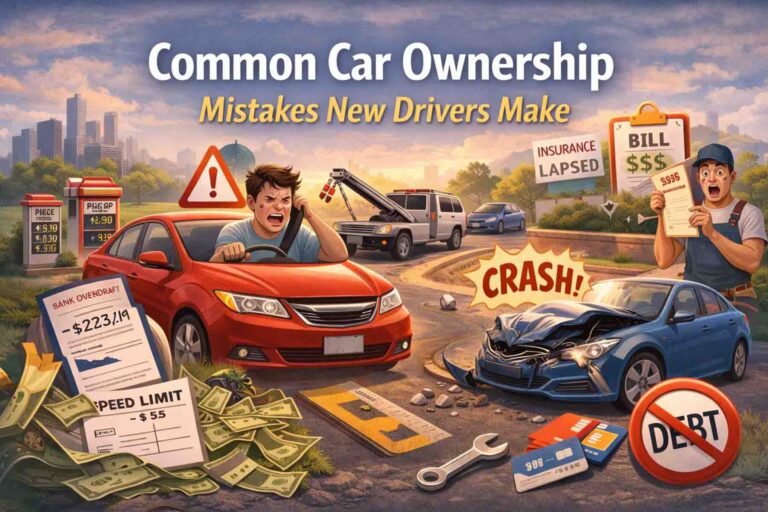
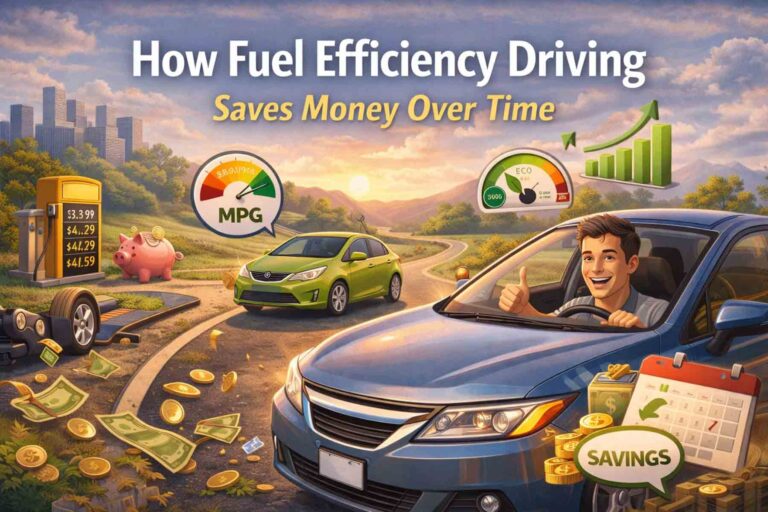
CarLevel Insights – Buying a vehicle often starts with excitement. New possibilities, more freedom, and the feeling that life is about to get a little easier. We get it—many of us have been there. But before you sign any paperwork or fall in love with a shiny dashboard, there’s one step that matters more than most people realize: vehicle ownership planning.
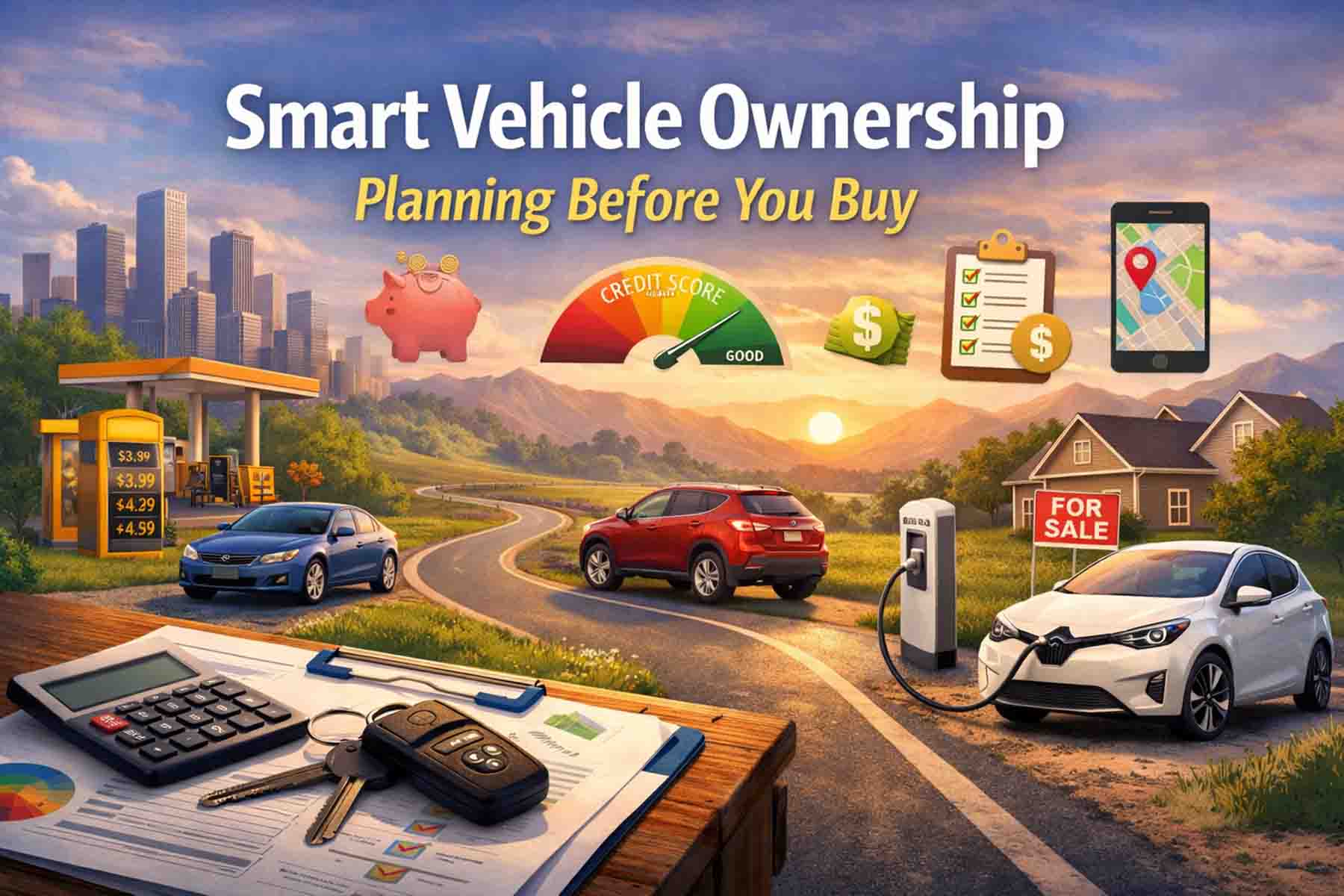
We’ve seen countless buyers focus only on the purchase price, only to feel overwhelmed months later by insurance bills, maintenance costs, and unexpected expenses. Smart planning isn’t about killing the excitement—it’s about protecting it. When you understand what vehicle ownership truly involves, the experience becomes more confident, more controlled, and far less stressful.
In this guide, we’ll walk you through how to plan vehicle ownership before buying, so the car works for your life—not the other way around.
Understanding Vehicle Ownership Beyond the Sticker Price
One of the biggest mistakes we see is assuming that owning a vehicle is just about affording the down payment or monthly installment. In reality, the purchase price is only the beginning.
Vehicle ownership planning means looking at the total cost of ownership. This includes insurance premiums, routine maintenance, fuel, registration fees, taxes, depreciation, and even unexpected repairs. When you plan ahead, these costs don’t come as a shock—they become part of a calculated decision.
A car that looks affordable today might strain your finances tomorrow. That’s why planning early changes everything.
Defining Your Real Driving Needs
Before comparing brands or models, we always recommend starting with one simple question: How will this vehicle actually be used?
Do you commute daily through heavy traffic? Drive long distances every week? Need space for family, tools, or cargo? Or is the vehicle mostly for occasional errands?
Vehicle ownership planning works best when the car fits your real habits—not your idealized lifestyle. Choosing a vehicle that matches your daily use helps reduce fuel costs, maintenance frequency, and even insurance rates over time.
Insurance as a Core Part of Ownership Planning
Insurance is often treated as an afterthought, but in reality, it’s one of the most important pillars of vehicle ownership planning.
Different vehicles carry different insurance costs. Engine size, safety features, repair costs, and theft risk all influence premiums. A model that seems affordable upfront may come with higher long-term insurance expenses.
We’ve learned that comparing insurance options before buying a vehicle gives you a clearer picture of what ownership will really cost. It also helps avoid the frustration of buying a car first and realizing later that insuring it stretches the budget.
Planning for Maintenance and Reliability
Every vehicle requires care, but not all vehicles demand the same level of attention—or expense.
Some models are known for long-term reliability and affordable parts. Others require specialized servicing or costly components. Smart vehicle ownership planning includes researching maintenance schedules, service availability, and common repair issues.
When you plan ahead, maintenance becomes predictable instead of stressful. It also protects the vehicle’s value if you ever decide to sell or trade it in.
Depreciation: The Cost No One Talks About
Depreciation is one of the quietest yet most expensive parts of vehicle ownership. The moment a new car leaves the showroom, its value begins to drop.
Understanding depreciation helps you decide whether buying new, used, or certified pre-owned makes more sense. In many cases, smart ownership planning involves balancing pride of ownership with long-term financial logic.
We’re not saying new cars are a bad choice—but they should be a planned choice, not an emotional one.
Financing Decisions That Support Long-Term Ownership
Financing isn’t just about getting approved—it’s about choosing terms that align with your broader financial goals.
Longer loan terms may lower monthly payments but often increase total interest paid. Shorter terms may feel heavier upfront but reduce long-term cost. Vehicle ownership planning means looking at how financing fits into your monthly budget without limiting flexibility.
We always encourage you to think beyond “Can I afford this now?” and ask, “Will this still feel comfortable in two or three years?”
Preparing for Life Changes
One thing we’ve learned over years of observing ownership patterns is this: life changes faster than vehicles.
A growing family, a new job, relocation, or shifting priorities can all affect how suitable a vehicle remains. Smart vehicle ownership planning includes a bit of future-proofing—choosing flexibility over extremes.
It’s not about predicting everything. It’s about avoiding choices that box you into unnecessary limitations.
Emotional Buying vs Thoughtful Ownership
Cars are emotional purchases, and there’s nothing wrong with that. But emotions should complement planning—not replace it.
We’ve seen buyers regret rushing decisions driven purely by promotions, peer pressure, or impulse. Vehicle ownership planning creates space to balance desire with responsibility.
When planning comes first, the satisfaction of ownership lasts longer than the initial excitement.
Why Planning Early Saves More Than Money
The real benefit of vehicle ownership planning isn’t just financial—it’s peace of mind.
When you know what to expect, ownership feels empowering rather than overwhelming. Bills make sense. Decisions feel intentional. And surprises become manageable instead of stressful.
Planning early means fewer regrets, fewer compromises, and more confidence every time you turn the key.
Conclusion
Smart vehicle ownership planning before you buy isn’t about delaying the purchase—it’s about improving it. By understanding costs beyond the price tag, aligning choices with real needs, and thinking long-term, you set yourselves up for a better ownership experience.
We believe the best vehicles aren’t just bought—they’re planned. And when you take the time to plan, ownership becomes something to enjoy, not endure.
Frequently Asked Questions (FAQ)
1. What is vehicle ownership planning?
Vehicle ownership planning is the process of evaluating all costs, responsibilities, and long-term implications of owning a vehicle before making a purchase decision.
2. Why is vehicle ownership planning important before buying?
Because it helps you avoid unexpected expenses, choose the right vehicle for your lifestyle, and maintain financial stability over time.
3. Does vehicle ownership planning include insurance?
Yes. Insurance is a major recurring cost and should be considered early when comparing vehicle options.
4. How does maintenance affect ownership planning?
Maintenance impacts long-term affordability and reliability. Planning helps you choose vehicles with predictable service needs.
5. Is vehicle ownership planning only for first-time buyers?
No. Even experienced owners benefit from reassessing needs, costs, and priorities before purchasing another vehicle.
6. How can planning reduce financial stress?
By anticipating expenses like repairs, insurance, and depreciation, you avoid budget shocks and rushed decisions.
7. When should vehicle ownership planning start?
Ideally, before choosing a vehicle model. The earlier you plan, the more options and control you have.