CarLevel Insights – Have you all ever compared car insurance quotes with someone else and wondered why the numbers look completely different—even when the coverage seems similar? We’ve had that conversation more times than we can count. One driver pays what feels like a reasonable amount, while another feels like they’re being punished for reasons that aren’t obvious.
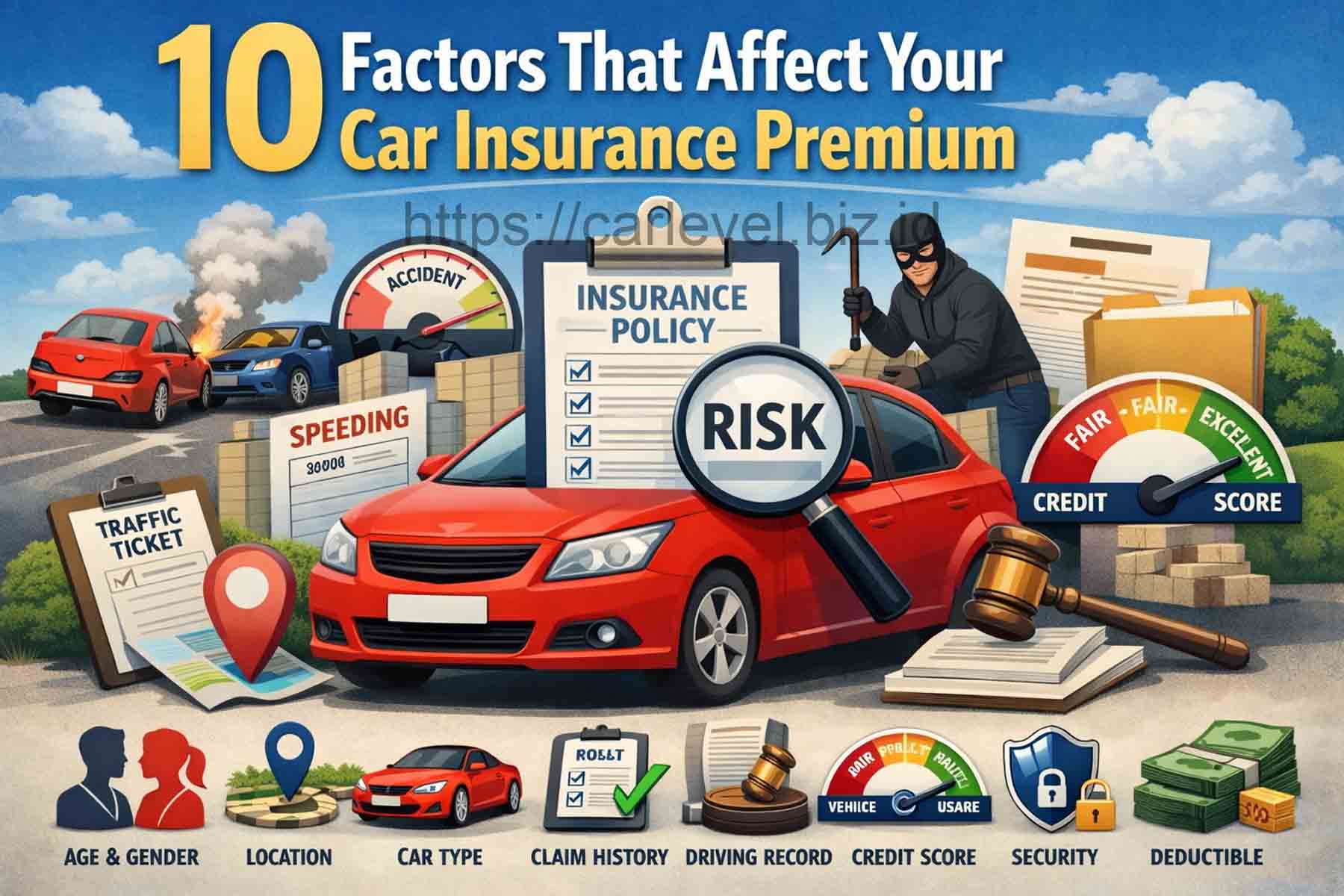
The truth is, car insurance premiums are shaped by a mix of personal details, vehicle characteristics, and policy choices. None of these factors exist in isolation. Insurance companies look at the whole picture to decide how risky it is to insure you all. Once you understand what goes into that calculation, the price tag starts to make a lot more sense—and becomes easier to manage.
Personal Factors
Personal factors are all about who you are as a driver. These details help insurers estimate how likely you are to file a claim.
Age
Age plays a bigger role in car insurance premiums than many people like to admit. Younger drivers, especially teenagers, tend to pay higher premiums because statistically, they’re more likely to be involved in accidents. It’s not about fairness—it’s about data.
As drivers gain experience and move into their late 20s and 30s, premiums usually drop. Rates may increase again later in life, depending on driving patterns and reaction times. It’s one of those factors you can’t control directly, but understanding it helps explain why premiums change over time.
Driving History
Your driving record is one of the strongest indicators insurers use. Tickets, accidents, and claims all send signals about risk. Even a single speeding ticket can raise your premium for several years.
On the flip side, a clean driving history works in your favor. Many insurers reward safe drivers with lower rates or accident-free discounts. If you all want to influence your premium long-term, consistent, careful driving is one of the most effective ways to do it.
Vehicle-Related Factors
Your car itself also plays a big role in determining how much you pay for insurance.
Safety Features
Cars equipped with advanced safety features often come with lower insurance costs. Features like automatic emergency braking, lane departure warnings, and anti-theft systems reduce the likelihood or severity of claims.
Insurers like vehicles that help prevent accidents or reduce injuries. Even basics like airbags and anti-lock brakes matter. If you all are shopping for a new car, safety ratings can quietly influence your future car insurance premiums more than you might expect.
Theft Rate
Some vehicles are simply stolen more often than others. If your car model appears frequently on theft reports, insurers take notice.
High theft rates increase the likelihood of comprehensive claims, which can push premiums higher. Even if you all live in a low-crime area, the overall theft data for your vehicle model still matters. Cars that are harder to steal—or easier to recover—tend to be cheaper to insure.
Policy-Related Factors
Beyond who you are and what you drive, your own insurance choices significantly affect your premium.
Coverage Level
The more coverage you choose, the more you usually pay. Liability-only policies are cheaper than full coverage, but they also offer less protection.
Higher liability limits, collision, comprehensive, and add-ons like rental reimbursement all increase premiums. The key is finding coverage that matches your risk level—not just chasing the lowest price. We’ve seen too many drivers regret cutting coverage just to save a few dollars each month.
Many drivers focus only on how coverage choices affect monthly premiums, but the bigger issue is how those choices affect long-term protection. Understanding coverage levels in isolation can be misleading if you don’t see how they fit into the overall insurance structure. For a clearer, step-by-step breakdown of how coverage, limits, and premiums work together, we explain the full foundation in Auto Insurance Explained: Everything You Need to Know Before Choosing a Policy—especially for drivers who want to balance cost with real protection.
Deductibles
Deductibles and premiums work like a seesaw. A higher deductible usually means a lower monthly premium, while a lower deductible raises it.
Choosing the right deductible depends on your financial comfort. If you all can afford to pay more out of pocket after an accident, a higher deductible might save you money over time. If not, paying a bit more each month for a lower deductible can provide peace of mind. There’s no universal “best” option—only what fits your situation.
Read More: When to Switch from Liability to Full Coverage Car Insurance
Conclusion
Car insurance premiums aren’t random or mysterious, even though they can feel that way. They’re the result of multiple factors working together—your age, driving history, vehicle details, and the choices you make in your policy.
Once you understand what affects your premium, you all gain more control. Small changes, like improving your driving habits or adjusting coverage wisely, can make a noticeable difference over time. Insurance works best when it reflects your real risk and real needs—not just a number on a quote.
Frequently Asked Questions (FAQ)
Why do car insurance premiums vary so much?
Because insurers evaluate risk using many personal, vehicle, and policy factors.
Does age really affect car insurance costs?
Yes, age is strongly linked to accident risk.
How long do tickets affect my premium?
Typically three to five years, depending on the insurer.
Do safer cars always cost less to insure?
Often yes, but repair costs can offset safety discounts.
Can changing deductibles lower my premium?
Yes, higher deductibles usually reduce premiums.
Does location affect car insurance premiums?
Yes, traffic density and crime rates matter.
Is liability-only insurance cheaper?
Yes, but it offers less protection.
Do insurance companies reward safe drivers?
Many offer discounts for clean records.
Does filing a claim increase premiums?
Often yes, especially if you’re at fault.
What’s the best way to lower my premium?
Maintain a clean driving record and choose coverage wisely.