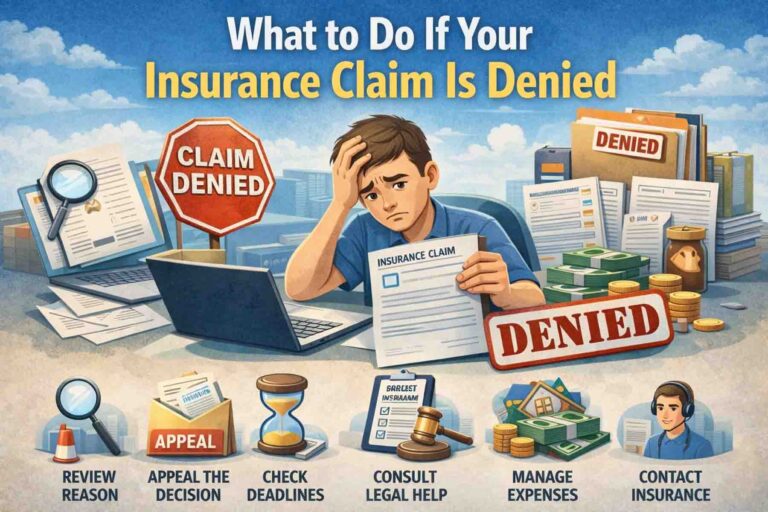
Car Insurance Legal Rights – Most of us don’t think about legal rights when we buy car insurance. We think about prices, coverage limits, maybe the deductible if we’re feeling responsible that day. Legal rights usually enter the conversation much later—often at the worst possible moment, when a claim becomes stressful, delayed, or outright disputed. That’s when frustration kicks in, questions start piling up, and suddenly you all realize that filing a claim isn’t just paperwork. It’s a legal process, whether it feels like one or not.

We’ve seen this play out many times. A simple accident turns complicated because expectations don’t match reality. The insurer asks for more documents. The timeline stretches. Communication feels vague. At that point, understanding your car insurance legal rights isn’t about being confrontational—it’s about protecting yourself. In this article, we’ll walk you all through the rights policyholders actually have during an insurance claim, what protections exist behind the scenes, and when it makes sense to bring legal help into the picture.
Policyholder Rights You Should Know
When you purchase car insurance, you’re not just buying coverage—you’re entering a legally binding contract. That contract comes with obligations on both sides. While insurers often emphasize what you must do, they don’t always highlight what they are required to do. This imbalance is one reason many policyholders feel powerless during a claim. In reality, you all have clearly defined rights that exist regardless of whether a claim is approved quickly or turns into a dispute.
One fundamental right is the right to have your claim reviewed in good faith. This means the insurer cannot arbitrarily deny, delay, or ignore a valid claim without reasonable justification. They are obligated to investigate, evaluate evidence fairly, and apply policy terms consistently. You also have the right to receive clear explanations for decisions made on your claim. Vague responses or unexplained denials are not acceptable under most insurance regulations. If a claim is denied or partially paid, the insurer must explain why, referencing specific policy language—not generic statements.
Another often-overlooked right involves access to information. You are entitled to request copies of claim documents, adjuster notes, and policy provisions that affect your claim. This transparency matters because it allows you all to verify whether the insurer’s interpretation aligns with the actual contract. Without access to this information, policyholders are left guessing. Knowing you have the right to ask—and receive—these details puts you in a much stronger position during the claims process.
Legal Protections During the Claim Process
The insurance claim process is regulated more than many drivers realize. State insurance departments establish rules that insurers must follow, particularly when it comes to timelines, communication, and conduct. These legal protections exist to prevent abuse of power and to ensure claims are handled fairly, even when disputes arise.
One key protection is the requirement for timely action. Insurers are generally required to acknowledge a claim within a specific timeframe and to make decisions within a reasonable period after receiving necessary documentation. Endless delays without explanation are not just frustrating—they may violate insurance regulations. If you all ever feel like your claim is being stalled without cause, that feeling may be legally justified.
There’s also protection against unfair settlement practices. Insurers cannot intentionally undervalue claims, misrepresent policy terms, or pressure policyholders into accepting settlements that do not reflect documented damages. These rules exist because claims inherently place policyholders in a vulnerable position. After an accident, you may be dealing with repairs, injuries, or financial strain. The law recognizes this imbalance and places boundaries on how insurers can behave during negotiations.
Fair Treatment and Transparency
Fair treatment isn’t just a marketing phrase—it’s a legal standard. Insurers are required to handle claims objectively, without discrimination or bias. This means decisions must be based on facts, evidence, and policy language, not assumptions or internal cost-saving goals. If two similar claims receive drastically different outcomes without clear justification, that raises concerns about compliance with fair treatment standards.
Transparency goes hand in hand with fairness. You all have the right to understand how a claim decision was reached. This includes knowing what evidence was considered, how damages were calculated, and why certain portions of a claim were approved or denied. When insurers fail to communicate clearly, confusion grows, and trust erodes quickly. Clear communication isn’t optional—it’s part of the insurer’s legal obligation.
If transparency breaks down, policyholders are not expected to simply accept it. You can request written explanations, escalate concerns within the company, or file complaints with regulatory authorities. These mechanisms exist to ensure that insurers remain accountable throughout the claim process, not just at the point of sale.
When to Seek Legal Help
Not every insurance claim requires a lawyer, and jumping to legal action too early can sometimes complicate matters unnecessarily. However, there are clear situations where seeking legal help becomes not only reasonable but advisable. Knowing when that line is crossed helps you all avoid prolonged frustration and financial risk.
If a claim has been denied without a clear explanation, repeatedly delayed without justification, or significantly undervalued despite strong evidence, legal counsel can help clarify your options. Attorneys who handle insurance disputes understand how insurers operate, how policies are interpreted, and how regulations apply in real-world situations. Their involvement often changes how seriously an insurer approaches a stalled or disputed claim.
Legal help also becomes critical when large sums are involved, such as severe vehicle damage, injury-related claims, or liability disputes. In these cases, a misstep in communication or documentation can have long-term consequences. Having someone who understands your car insurance legal rights ensures that decisions are made strategically, not emotionally. Seeking legal advice doesn’t mean you’re starting a fight—it means you’re protecting your interests when the stakes are high.
Conclusion
Insurance claims are rarely just about fixing a car. They’re about responsibility, accountability, and trust. Understanding your legal rights during an insurance claim gives you all a clearer sense of where you stand and what you can reasonably expect from your insurer. These rights exist to balance the relationship between policyholders and insurance companies, especially during moments of stress and uncertainty.
We believe informed drivers make stronger decisions. When you know your rights, you’re less likely to feel pressured, dismissed, or confused during the claims process. Whether a claim is resolved smoothly or turns into a dispute, knowledge gives you leverage. And sometimes, that leverage makes all the difference between a frustrating experience and a fair outcome.
Frequently Asked Questions (FAQ)
1. What legal rights do policyholders have during an insurance claim?
Policyholders have the right to fair treatment, clear explanations, timely claim handling, and access to claim-related information.
2. Can an insurance company delay a claim indefinitely?
No. Insurers are required to process claims within reasonable timeframes under insurance regulations.
3. Do I have the right to see my claim file?
Yes. You can request documentation related to your claim, including adjuster notes and policy references.
4. Is claim denial always final?
No. Many denied claims can be appealed or reviewed, especially if new evidence is provided.
5. What does “good faith” mean in insurance claims?
It means insurers must act honestly, fairly, and without unreasonable delay or deception.
6. When should I contact a lawyer about a claim?
When a claim is denied unfairly, delayed excessively, or involves significant financial loss.
7. Can insurers pressure me to accept a settlement?
They cannot legally coerce you into accepting an unfair settlement.
8. Are insurance companies required to explain claim decisions?
Yes. Decisions must be explained using specific policy language.
9. Can I file a complaint against my insurer?
Yes. State insurance departments handle consumer complaints related to unfair claim practices.
10. Does knowing my legal rights improve claim outcomes?
In many cases, yes. Informed policyholders are better equipped to challenge unfair decisions.