Carlevel.biz.id – Filing a car insurance claim is stressful enough when it involves your own policy. But when the damage is caused by someone else, the process can feel even more confusing. Suddenly, you all are dealing with an insurance company that isn’t “yours,” adjusters who don’t know you, and timelines that feel completely out of your control. This is where most people first encounter a third-party insurance claim, often without realizing how different it is from a standard claim.
We’ve seen many drivers assume that if the other person is clearly at fault, everything should be simple. In reality, third-party claims come with their own rules, limitations, and friction points. Understanding how these claims actually work—before frustration sets in—can make the difference between a smooth resolution and weeks of unnecessary stress.
What Is a Third-Party Insurance Claim?
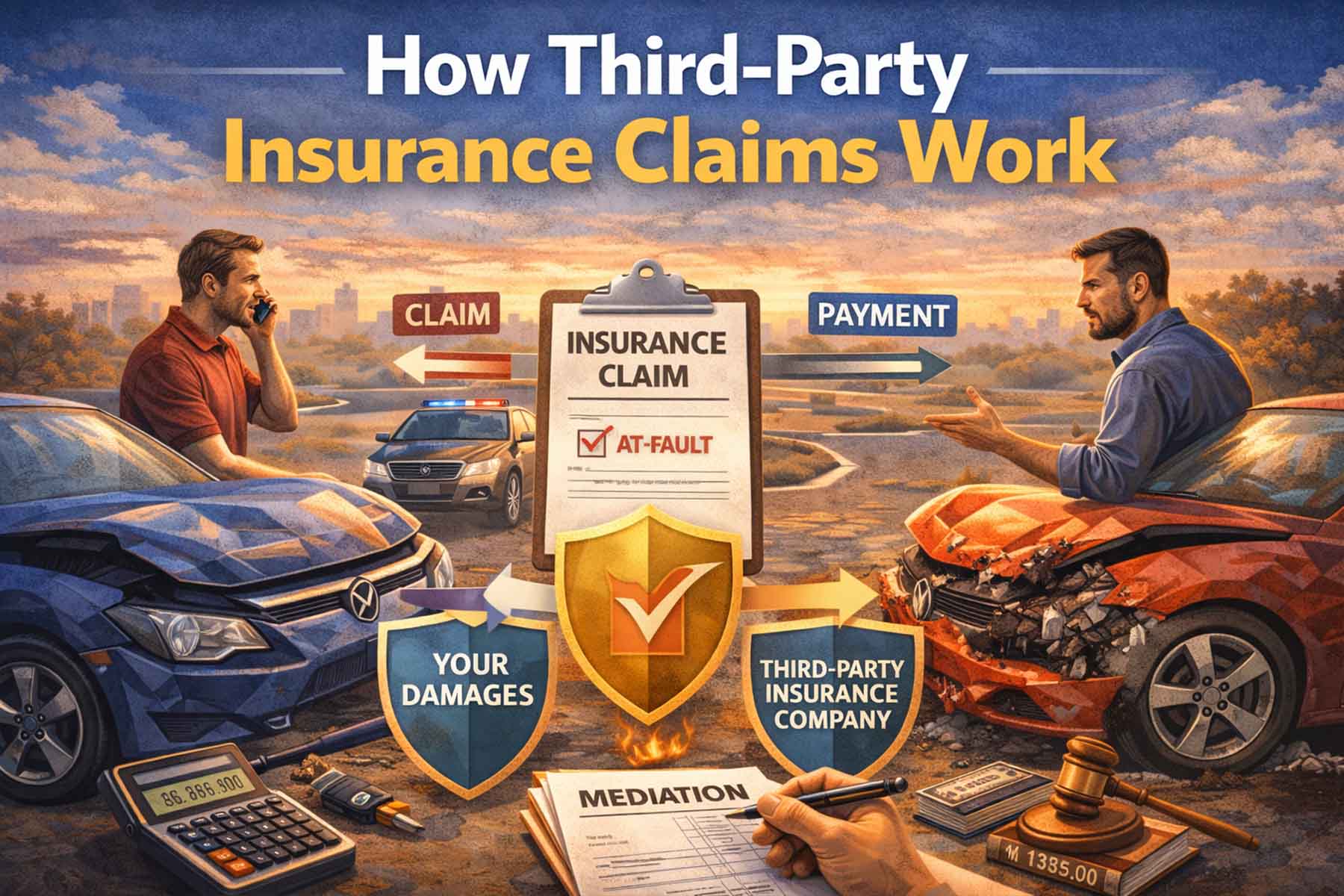
At its core, a third-party insurance claim is a request for compensation made against someone else’s insurance policy. Instead of filing under your own coverage, you are asking the at-fault driver’s insurer to pay for damages or injuries they are legally responsible for. This structure changes the entire dynamic of the claim.
Unlike first-party claims, where the insurer has a contractual obligation to you, third-party claims operate under liability principles. The other insurer’s duty is to their policyholder, not to you all. That doesn’t mean they can act unfairly, but it does mean their priorities and incentives are different from what many drivers expect.
First-Party vs Third-Party Claims
A first-party claim involves your own insurance company. You pay premiums, and in return, they agree to cover certain losses under specific conditions. A third-party claim flips that relationship. You are not the customer; you are the claimant.
This distinction matters because communication, timelines, and negotiation power change. In first-party claims, insurers must follow contractual duties to you. In third-party claims, they must investigate liability first before any payment discussion even begins.
Who Is Considered the “Third Party”?
In insurance terms, the “third party” is anyone who suffers loss due to the actions of the insured driver. That could be another driver, a pedestrian, a cyclist, or even a property owner. If you all were not the policyholder and were harmed by their actions, you fall into this category.
Understanding this definition helps set expectations. The insurer is evaluating your claim through the lens of protecting their policyholder from unnecessary liability while still complying with legal obligations.
When Third-Party Claims Typically Apply
Third-party insurance claims most commonly arise after accidents involving fault. Rear-end collisions, intersection crashes, and parking lot incidents are typical examples. They also apply when property damage occurs, such as hitting a fence or storefront.
These claims only move forward once fault is established—or at least reasonably assumed. Until then, the insurer’s investigation takes center stage.
Filing Against Another Driver’s Insurance
Filing a claim against another driver’s insurance is less about speed and more about accuracy. The way a claim starts often shapes how smoothly it ends.
From the beginning, insurers are assessing credibility, consistency, and responsibility. Small mistakes early on can slow everything down later, even when liability seems obvious.
Reporting the Accident Correctly
The foundation of a successful third-party insurance claim is accurate reporting. This starts at the scene of the accident. Police reports, photos, and witness information all play a role in establishing what happened.
When filing the claim, clarity matters more than emotion. Stick to facts, timelines, and observable damage. Overexplaining or speculating can unintentionally introduce inconsistencies that complicate the investigation.
Evidence Insurers Usually Require
Evidence is the currency of third-party claims. Insurers typically request accident reports, photos of damage, repair estimates, and sometimes medical documentation. The stronger and more organized your evidence, the faster the claim moves.
We often see delays happen not because evidence doesn’t exist, but because it’s incomplete or submitted in pieces. Treating evidence submission as a single, well-documented package helps avoid repeated requests.
Communication With the Other Insurer
Communication with another driver’s insurer can feel one-sided. They ask questions. They request documents. They rarely volunteer updates. This is normal—but it doesn’t mean you all have to stay passive.
Keeping written records, confirming conversations by email, and asking clear follow-up questions creates accountability. Polite persistence usually works better than pressure.
Common Challenges in Third-Party Claims
Even well-documented third-party insurance claims can face obstacles. Understanding these challenges ahead of time helps you respond strategically instead of emotionally.
Many frustrations stem from the insurer’s responsibility to verify liability before issuing payment. Until fault is established, everything else stays on hold.
Liability Disputes and Fault Determination
Liability disputes are the most common challenge in third-party claims. Even when fault seems obvious, insurers may question details to protect their policyholder. Conflicting statements, unclear road conditions, or missing witnesses can complicate fault determination.
This doesn’t mean your claim is weak—it means the insurer needs justification before accepting responsibility. Patience and evidence matter here more than arguments.
Delays Caused by Investigation Process
Third-party claims almost always take longer than first-party claims. Investigations involve multiple parties, statements, and sometimes outside experts. Each additional variable adds time.
Delays feel personal, but they are usually procedural. Understanding this helps you all manage expectations while still following up appropriately.
Settlement Offers That Feel Too Low
Low settlement offers are another common frustration. Insurers often start with conservative valuations, especially for vehicle damage or minor injuries. This is not always a final position.
You are allowed to question valuations, submit counter-evidence, and request explanations. Negotiation is a normal part of third-party claims, not a sign that something has gone wrong.
Conclusion
A third-party insurance claim is not just a claim—it’s a negotiation shaped by liability, evidence, and patience. Unlike dealing with your own insurer, you are navigating a system designed to protect someone else’s interests first.
We believe that understanding how third-party insurance claims work gives you all a calmer, more strategic approach. When expectations align with reality, frustration decreases and outcomes improve. The process may not always be fast, but it doesn’t have to feel powerless either.
Frequently Asked Questions (FAQ)
1. What is a third-party insurance claim?
It’s a claim filed against the at-fault driver’s insurance policy.
2. Is a third-party claim slower than a first-party claim?
Yes, because liability must be investigated before payment.
3. Do I need my own insurance to file a third-party claim?
No, but having coverage can provide backup options.
4. Can a third-party claim be denied?
Yes, especially if liability cannot be established.
5. Who pays for repairs during a dispute?
Often the claimant pays upfront or uses their own coverage first.
6. Can I negotiate a settlement offer?
Yes, negotiation is common in third-party claims.
7. How long do third-party claims usually take?
Timelines vary, but they often take weeks or longer.
8. What evidence matters most?
Police reports, photos, and witness statements.