CarLevel Insights – Nobody wakes up thinking, “Today feels like a great day to deal with an injury and paperwork.” But that’s exactly how Personal Injury Claims usually begin—unexpected, inconvenient, and honestly, unfair. One minute you’re driving to work or walking into a store, and the next minute you’re dealing with pain, confusion, and a long list of “what now?” questions.
That’s why we believe having a preemptive understanding of personal injury claims matters so much. Not because we want you all to become legal experts overnight, but because knowledge changes how you react when things get stressful. When you understand the basics early, you’re less likely to panic, less likely to get pushed around by insurance conversations, and more likely to make decisions that protect your future.
And yes, personal injury claims can be complex. The language can feel like it was designed to confuse normal people. But we’re going to walk through it in a way that’s clear, practical, and realistic—because you all deserve information that actually helps, not a wall of legal jargon.
We’re not a law firm, and this article isn’t legal advice—just practical guidance to help you all understand personal injury claims more clearly.
What Is a Personal Injury Claim? (The Simple Definition You Can Use Anywhere)
A personal injury claim is a legal process where someone seeks compensation after being harmed because another party acted negligently or wrongfully. That harm can be physical, emotional, or even psychological in some cases, and it often comes with financial consequences that can stick around longer than the injury itself.
When we say “compensation,” we’re not just talking about a random payout. We’re talking about real-life costs that hit you all hard: emergency room visits, follow-up treatments, physical therapy, prescriptions, time off work, transportation costs, and the emotional weight of not being able to live normally for a while.
Most personal injury claims exist because the law recognizes something important: when someone’s carelessness causes damage, the injured person shouldn’t be the one left carrying the burden alone. The claim is basically the formal way of saying, “This happened because of you, and we need help making it right.”
The Core Elements of a Personal Injury Claim (What You Must Prove)
A lot of people assume personal injury claims are simply about being injured. But legally, it’s not that simple. The injury matters, of course—but a claim becomes strong when you can prove certain elements clearly and consistently.
Duty of Care
The first element is duty of care, which basically means the other party had a responsibility to act reasonably and safely. This can apply to drivers, property owners, employers, medical professionals, manufacturers, and more.
For example, if someone is driving, they have a duty to follow traffic laws and avoid putting others at risk. If a store owner invites customers in, they have a duty to keep walkways safe. If a doctor is treating a patient, they have a duty to follow accepted medical standards.
This part is usually not the hardest to prove because duty of care is built into many everyday situations. The challenge is proving what happened next.
Breach of Duty
A breach of duty happens when the responsible party fails to meet that standard of care. This is where negligence often shows up: speeding, distracted driving, ignoring safety signs, failing to repair a dangerous condition, or making medical decisions that a competent professional wouldn’t make.
Think of it like this: duty of care is the rule, breach is the moment someone breaks it. If a driver runs a red light because they were checking their phone, that’s a breach. If a property owner knows there’s a broken stair but leaves it unfixed for weeks, that’s a breach.
The more clearly the breach can be explained, the easier it becomes to build a solid claim.
Causation
Now we get to the part that insurance companies love to argue about: causation. This means you all must show that the breach of duty directly caused the injury.
In real life, causation can get messy. Someone might say, “Maybe you were injured before,” or “That pain could be from something else.” That’s why medical documentation and timeline details matter so much. When your medical records, accident report, and evidence all line up, it becomes much harder for anyone to deny what happened.
Damages
Finally, there are damages, which are the losses you experienced because of the injury. Damages can be financial, physical, and emotional. The more real and measurable your damages are, the stronger the case tends to be.
Damages often include medical bills, lost wages, reduced earning capacity, pain and suffering, and sometimes emotional distress. If there’s no real damage—no bills, no time off work, no measurable impact—then even if someone was careless, there may not be a meaningful claim.
Why Preemptive Understanding Matters in Personal Injury Claims
Most people don’t look up personal injury claims until after something bad happens. That’s normal. But it also means they’re learning while stressed, hurt, and overwhelmed—and that’s when mistakes happen.
We’ve seen many situations where the injury was real, the other party was clearly at fault, but the claim got weaker because the injured person didn’t know what to do early on. They waited too long to get medical care. They didn’t document the scene. They gave a recorded statement while still in shock. They accepted a quick settlement without understanding future costs.
Preemptive understanding doesn’t mean you’re being paranoid. It means you all are being prepared. The goal isn’t to turn every situation into a lawsuit. The goal is to make sure that if you do need compensation, you don’t accidentally sabotage your own case.
The Most Common Types of Personal Injury Claims
Personal injury claims come from many different situations, and understanding the categories helps you all identify what kind of claim you might be dealing with.
Motor Vehicle Accidents
Car accidents are one of the most common reasons people file personal injury claims. These accidents can involve cars, motorcycles, trucks, pedestrians, cyclists, and even rideshare situations.
The injuries range from minor bruises to serious trauma. And what makes vehicle cases tricky is that insurance companies move fast. Sometimes they call you all within 24 hours, asking for details and pushing for a quick resolution before you even know the full medical impact.
Slip and Fall Accidents
Slip and fall cases often fall under premises liability, which means property owners have a duty to keep their premises reasonably safe.
If you all slipped because of a wet floor with no warning sign, uneven pavement, broken stairs, poor lighting, or cluttered walkways, you may have a valid claim. The key is proving the property owner knew (or should have known) about the hazard and failed to fix it.
Medical Malpractice
Medical malpractice claims happen when a healthcare provider fails to meet the standard of care, and that failure causes harm.
These cases can involve misdiagnosis, surgical mistakes, medication errors, or failure to treat a serious condition in time. Malpractice cases can be emotionally heavy because you all trusted someone with your health, and that trust was broken.
Product Liability
Product liability claims happen when a defective product injures you, and the responsibility may fall on the manufacturer, distributor, or seller. This can include unsafe machinery, faulty car parts (like brakes or airbags), contaminated food, or dangerous medications. These cases often get complicated because companies will defend their products aggressively, so the stronger your proof is—photos, receipts, medical records, and clear timelines—the easier it is to show the product was truly the problem.
Dog Bites
Dog bite claims can involve more than just physical wounds, because they often leave lasting emotional stress too. In many situations, the dog owner may be responsible if they failed to control the dog, ignored warning signs, or allowed the animal to act dangerously around others. If you all ever deal with this, documenting the injury and getting medical care early can make a big difference, both for your recovery and for protecting your claim.
The Most Common Types of Personal Injury Claims
Here’s the honest truth: insurance companies and defense attorneys don’t decide based on feelings. They decide based on proof. That’s why evidence is the backbone of personal injury claims.
Helpful evidence includes photos of the scene, injuries, and property damage. If you all can take pictures right away, do it. Even small details matter—like a wet floor without a sign, a broken stair, or skid marks on the road.
Witness statements are also powerful. People forget details over time, so getting names and contact information early can be crucial. Medical records are another major piece, because they show diagnosis, treatment, and the timeline of symptoms.
We also recommend keeping receipts and notes. It sounds simple, but writing down how the injury affects your daily life can be valuable later. If you can’t sleep, can’t lift your child, can’t work normally, or need help with basic tasks, those details matter.
The Statute of Limitations
Here’s the part most people don’t take seriously until it’s too late: every state has a strict legal clock for personal injury claims, and once that clock runs out, your case can be over—no matter how “obvious” the accident was. That deadline is called the statute of limitations, and it isn’t the same everywhere. It can change depending on where you live, what type of injury happened, and even who you’re filing against.
We’ve seen this mistake happen in real life: someone spends months focusing on recovery, dealing with bills, trying to get back to work… and the legal side gets pushed to “later.” Then later arrives, and suddenly they’re scrambling for paperwork, medical records, witness info, and the case is already on thin ice.
So even if you all aren’t sure you want to sue anyone, it’s still smart to learn your deadline early. Knowing the timeline doesn’t force you into a lawsuit—it simply protects your options. And when you have options, you can make decisions calmly instead of making rushed choices under pressure.
The Role of Insurance Companies
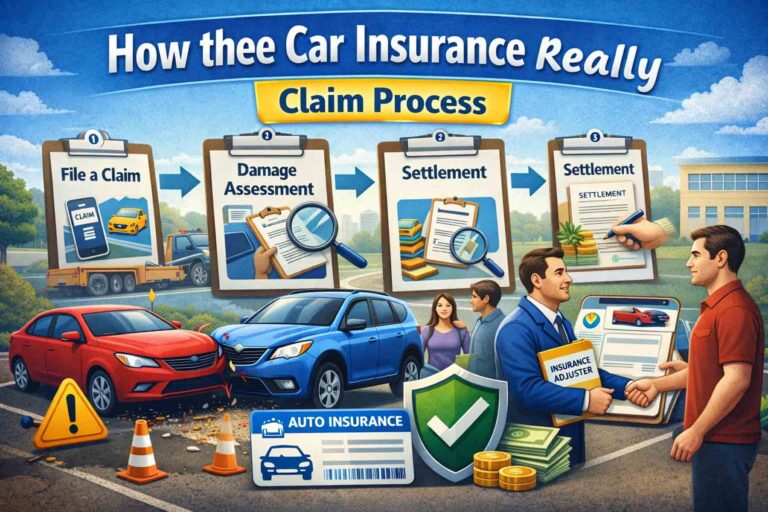
In many personal injury claims, insurance companies are involved early. They might contact you all to ask what happened, request documents, or push for a statement.
It’s important to understand the adjuster’s role. They might sound friendly—and sometimes they genuinely are—but their job is also to protect the insurance company’s money. That often means reducing the payout or finding reasons to deny parts of the claim.
We recommend keeping conversations factual and careful. Avoid guessing or exaggerating. And be cautious with recorded statements, because once something is recorded, it can be used later to challenge your case.
When You Should Talk to a Personal Injury Lawyer
Not every claim needs a lawyer, but many claims become easier and stronger with legal help—especially when the stakes are high.
You should consider a personal injury lawyer if:
- injuries are serious or long-lasting
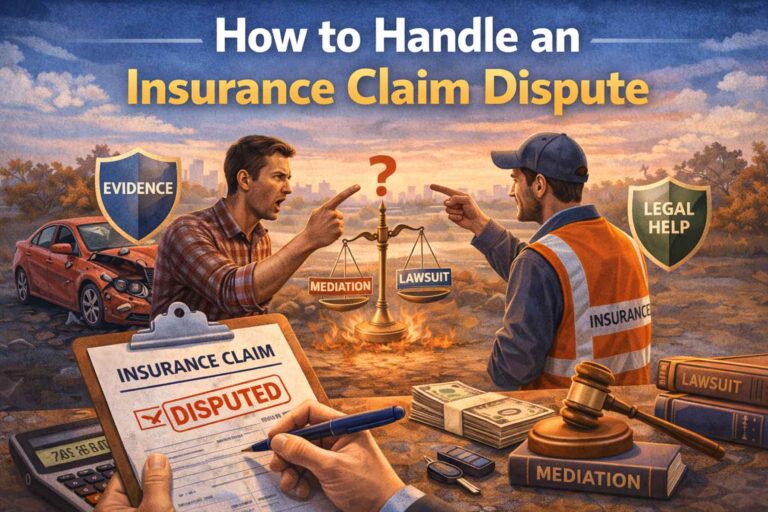
- fault is disputed
- the insurer delays or denies payment
- you all have large medical bills
- you’re missing work and losing income
- the case involves a business, hospital, or large company
A lawyer can help you all understand your options, avoid mistakes, and negotiate from a stronger position. Even a consultation can bring clarity when everything feels confusing.
Conclusion
Personal injury claims can feel like a lot, especially when you’re already dealing with pain and stress. But once you all understand the basics—what must be proven, what evidence matters, and why timing is critical—the process becomes less intimidating and more manageable.
If you believe your injury happened because someone else was careless, don’t wait until the situation gets harder. Document what happened, get proper medical treatment, and consider speaking with a qualified professional so you all can understand your rights before making any decisions that can’t be undone.