Carlevel.biz.id – Starting out as a new driver feels exciting. Freedom, independence, the ability to go anywhere without asking for a ride. Then reality shows up—usually in the form of an insurance quote that feels… uncomfortable. We’ve seen that reaction many times. New drivers often wonder why car insurance costs so much when they haven’t even had the chance to prove themselves yet.
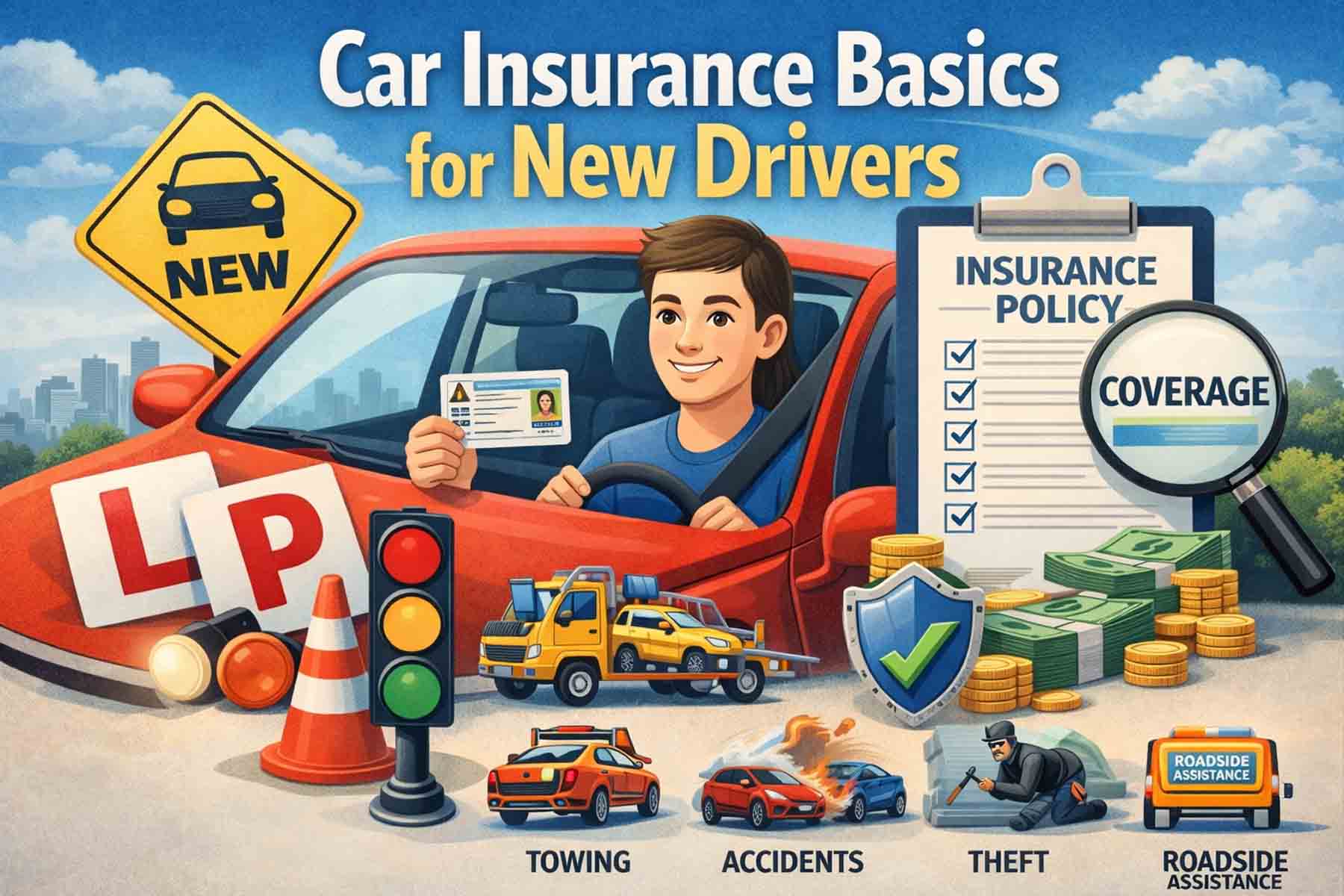
The truth is, car insurance for new drivers is built on uncertainty. Insurers don’t see potential; they see limited data. When there’s not much driving history to analyze, companies lean heavily on statistics. That’s why understanding how insurance works early can save you all a lot of frustration—and money—down the road.
Why New Drivers Pay More
Higher premiums aren’t personal. They’re statistical. And while that doesn’t make the bill easier to accept, it does make it easier to understand.
At this point, many new drivers start realizing that higher premiums aren’t just about age or bad luck—they’re part of a much bigger system that evaluates risk, coverage structure, and financial responsibility together. When you all understand how insurers connect these pieces, pricing decisions start to feel less arbitrary. If you want to see how this logic fits into the broader insurance framework, it helps to first understand how auto insurance actually works from the ground up before focusing on individual costs.
Risk & Inexperience
New drivers simply don’t have enough experience behind the wheel. Insurance companies know that learning to drive safely takes time, not confidence. Reaction speed, hazard recognition, and decision-making all improve with experience, and until that experience exists, insurers price in extra risk.
It’s not about age alone. Someone who gets licensed later in life may still face higher rates at first. The issue is unfamiliarity with real-world driving situations—heavy traffic, unpredictable drivers, bad weather, and split-second decisions. From an insurer’s perspective, inexperience equals uncertainty, and uncertainty costs money.
Common Claim Patterns
Claims data tells a consistent story. New drivers are more likely to file certain types of claims, especially minor collisions, parking lot accidents, and fender benders. These aren’t always serious, but they’re frequent enough to influence pricing.
Even small claims cost insurers time and resources. Patterns matter more than intentions. That’s why premiums stay higher until new drivers build a track record that proves otherwise. Over time, clean driving slowly reshapes that risk profile.
Best Coverages for Beginners
Choosing the right coverage matters even more when you’re new. Too little protection creates financial risk. Too much can strain your budget unnecessarily.
Liability Priorities
Liability coverage should be the foundation of every beginner’s policy. It protects you all if you cause injury or property damage to others. For new drivers, this isn’t optional—it’s essential.
Minimum state requirements often look appealing because they’re cheaper, but minimums rarely reflect real-world accident costs. Medical bills and vehicle repairs add up fast. We usually recommend prioritizing stronger liability limits first before spending money on optional add-ons.
Optional Coverages to Consider
Beyond liability, collision and comprehensive coverage depend on the car itself. If the vehicle is newer or financed, these coverages make sense. They protect against damage, theft, weather, and accidents involving your own car.
For older vehicles, optional coverages should be evaluated carefully. Paying high premiums to protect a low-value car doesn’t always add up. The key is matching coverage to risk, not emotion. Beginners benefit most from understanding why they’re paying for each part of their policy.
How New Drivers Can Lower Costs
The good news? High premiums aren’t permanent. There are practical ways to bring costs down over time.
Safe Driving Programs
Many insurers offer safe driving or telematics programs designed specifically for new drivers. These programs track habits like speed, braking, and mileage. Good behavior often leads to discounts.
We know the idea of being monitored sounds uncomfortable to some people. But for disciplined drivers, these programs can work in your favor. They give insurers real data instead of assumptions—and that can lower premiums faster than waiting years for experience alone to speak for itself.
Discounts
Discounts are where beginners often miss opportunities. Good student discounts, driver education courses, defensive driving programs, and even family policy bundling can all reduce costs.
The key is asking. Insurers don’t always apply every discount automatically. New drivers who actively review their options often pay less than those who simply accept the first quote they receive. Small discounts may seem insignificant, but combined, they add up.
Conclusion
Car insurance for new drivers is expensive for a reason, but it doesn’t have to stay that way. Higher rates reflect inexperience and uncertainty, not a judgment of character or potential. As you all gain experience, build a clean record, and make thoughtful coverage choices, insurance costs naturally improve.
The smartest move is learning early—understanding what you’re paying for and why. That knowledge turns insurance from a confusing expense into a manageable tool. And over time, it gives new drivers something just as valuable as savings: confidence.
Frequently Asked Questions (FAQ)
Why is car insurance so expensive for new drivers?
Limited driving history increases perceived risk.
Do all new drivers pay the same rates?
No, rates vary based on location, vehicle, and coverage.
Is minimum coverage enough for beginners?
Often not, especially for liability protection.
Can safe driving programs really lower premiums?
Yes, for drivers with consistent habits.
Do good grades affect insurance costs?
Many insurers offer good student discounts.
Should new drivers choose high deductibles?
Only if they can afford out-of-pocket costs.
Does the type of car matter for beginners?
Yes, safer and less expensive cars cost less to insure.
How long does it take for rates to drop?
Usually after one to three years of clean driving.
Is bundling with family insurance helpful?
Often yes, especially for young drivers.
What’s the best first step for new drivers?
Learn coverage basics and compare policies carefully.