CarLevel Insights – Owning a car for the first time feels like a personal victory. Schedules open up, daily routines feel lighter, and independence finally becomes real. We’ve watched that moment many times—and we understand the excitement. But we’ve also seen how quickly that feeling fades when early Car Ownership Mistakes start to appear, often without warning.
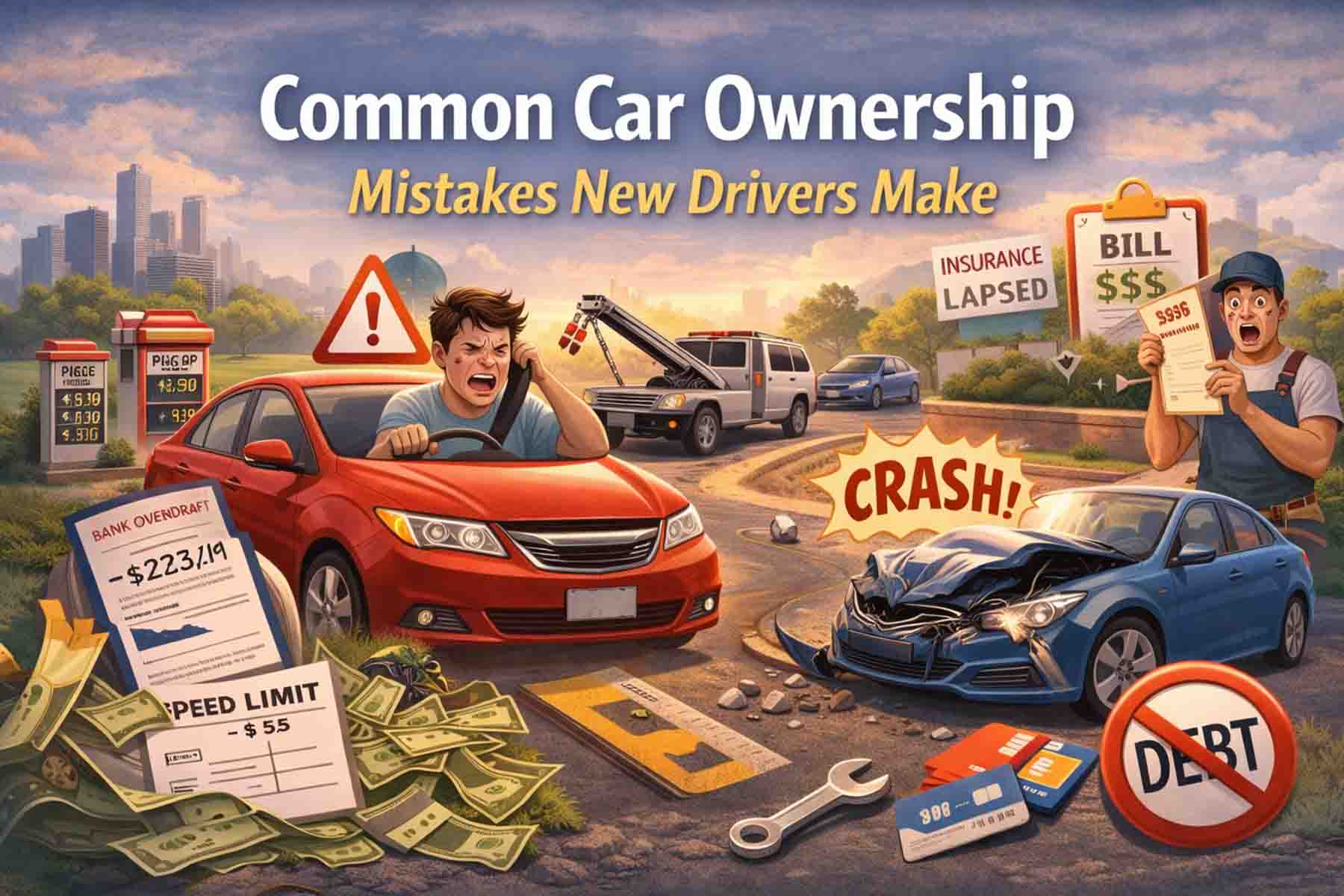
Most of these mistakes don’t happen because new drivers are careless or irresponsible. They happen because car ownership involves far more than learning how to drive. Costs, responsibilities, and long-term decisions tend to arrive quietly, then all at once. When that reality hits, excitement is often replaced by stress and confusion.
In this article, we’ll walk you all through the most common car ownership mistakes new drivers make, explain why they happen, and show you all how to avoid learning these lessons the hard way.
Believing the Purchase Price Is the Real Cost
One of the biggest misconceptions among new drivers is thinking that the price of the car is the main expense. Once the payment is done, everything else feels secondary.
In reality, the purchase price is only the starting point. Insurance, fuel, routine maintenance, registration fees, parking, and unexpected repairs all become part of everyday life. We’ve seen new drivers stretch their budgets just to buy the car, then struggle month after month afterward.
Understanding total ownership cost early helps you all choose a car that fits your life, not just your wallet on day one.
Choosing a Car Without Considering Insurance
One of the most overlooked parts of common car ownership for new drivers is insurance. Many people fall in love with a car first, then assume insurance will somehow “work itself out” later. This mindset often leads to frustration when the actual costs appear.
Insurance is not a flat expense. It’s closely tied to the type of car you choose, your driving profile, and even how expensive that car is to repair. When insurance isn’t considered early, new drivers can end up owning a car they can technically afford—but struggle to insure comfortably. That’s why skipping this step is one of the most common car ownership mistakes we see.
Not Checking Insurance Costs Before Buying
Different cars come with very different insurance premiums. Engine size, safety features, accident risk, and repair costs all affect pricing. One of the most common car ownership mistakes is buying a car first and asking about insurance later.
We always recommend checking insurance estimates before committing to a vehicle. That single step often changes buying decisions—and saves money long-term.
Choosing the Wrong Coverage Just to Save Money
Some new drivers reduce coverage just to lower monthly payments, while others overpay for protection they don’t actually need. Both choices can backfire. Smart ownership means understanding coverage options instead of guessing or copying what others do.
Ignoring Routine Maintenance Until Something Breaks
For many new drivers, maintenance feels optional—something to think about only when warning lights appear or the car starts making strange noises. This way of thinking is one of the most common car ownership mistakes, and it often leads to higher costs over time.
Routine maintenance isn’t about fixing problems after they happen. It’s about preventing small issues from becoming expensive repairs. When maintenance is ignored, wear and tear builds up quietly, reducing reliability and shortening the life of the vehicle. Smart car ownership means treating maintenance as a regular responsibility, not an emergency response.
Skipping Small Services Leads to Big Repairs
Oil changes, tire rotations, brake inspections, and fluid replacements may seem minor, but they protect the engine and key components. Skipping these services can turn simple upkeep into major mechanical failure.
Not Following the Maintenance Schedule
Every car has a recommended service schedule. Ignoring it doesn’t save money—it delays costs until they become unavoidable.
H2 – Underestimating Fuel and Daily Running Costs
Fuel costs are easy to overlook during the buying phase.
Many new drivers focus on monthly payments and forget about daily fuel expenses. A car that feels affordable upfront may cost significantly more to operate over time. Driving habits, traffic conditions, and fuel efficiency all play a role.
This is one of those common car ownership mistakes that slowly strains budgets without being obvious at first.
Neglecting Depreciation and Long-Term Value
Depreciation is one of those ownership costs that new drivers rarely think about because it doesn’t feel “real” day to day. The car still drives fine, payments still feel the same, and nothing physically changes. But in the background, the vehicle’s value is slowly dropping with every month of ownership.
We’ve seen many first-time owners realize this only when they try to sell or trade in their car. At that point, the gap between what they paid and what the car is worth can be shocking. Ignoring depreciation doesn’t break the car—but it limits flexibility later. That’s why overlooking long-term value is such a common car ownership mistake.
Assuming Resale Value Doesn’t Matter Yet
New drivers often think resale value is a future problem. In reality, depreciation affects flexibility. Life changes faster than cars, and when selling becomes necessary, value suddenly matters a lot.
Buying Based Only on Trends
Trendy models don’t always hold value well. Ownership decisions based on popularity instead of practicality often lead to regret later.
Financing Without Thinking Long-Term
For many new drivers, getting approved for financing feels like the finish line. Once the loan goes through, the decision feels validated. What often gets missed is how that financing choice quietly shapes daily life for years, not months.
We’ve seen first-time owners choose loans that looked comfortable at the start, only to feel restrictive later. Long loan terms can make it hard to sell the car, upgrade when life changes, or handle unexpected expenses without stress. Financing isn’t just about affording the car—it’s about how flexible ownership remains over time.
This is why financing without a long-term view becomes a common car ownership mistake. The car might fit your budget today, but the loan can limit options long after the excitement wears off.
Focusing Only on Monthly Payments
Low monthly payments often come with longer loan terms and higher interest costs. Many new drivers don’t realize how much extra they pay over time.
Leaving No Room for Unexpected Expenses
Ownership should leave space for repairs, emergencies, and life changes. Tight budgets turn minor issues into major stress.
Overlooking Registration, Taxes, and Legal Requirements
Most new drivers don’t ignore paperwork on purpose. It usually starts with good intentions—“I’ll deal with it later”—while enjoying the freedom of finally owning a car. The problem is that registration and legal requirements don’t wait until ownership feels routine.
We’ve seen situations where everything feels fine for months, until a reminder notice shows up or a simple traffic stop turns uncomfortable. Suddenly, something that felt minor becomes stressful. This is why overlooking the legal side of ownership is such a common car ownership mistake. It’s not confusing—it’s easy to push aside until it demands attention.
Emotional Buying Instead of Practical Ownership
Buying a first car is emotional. That part is normal. The mistake happens when emotion becomes the only decision-maker.
We’ve seen new drivers walk into dealerships with a budget in mind and walk out with something completely different. Not because they planned to—but because excitement took over. When ownership starts emotionally, reality usually catches up later.
This is one of the most common car ownership mistakes because it feels good at the moment and uncomfortable much later.
Buying Based on Pressure or Impulse
Sometimes the pressure comes from sales tactics. Sometimes it comes from friends, family, or social media. “This deal won’t last” or “Everyone drives this model” are powerful phrases.
The problem is that pressure speeds up decisions that deserve time. A car bought in a rush often feels less satisfying once the urgency fades.
Confusing Wants With Needs
There’s nothing wrong with wanting comfort, design, or extra features. The issue starts when wants quietly replace needs.
New drivers often realize later that the features they paid extra for don’t matter as much as fuel efficiency, insurance costs, or ease of maintenance. Ownership feels better when needs lead and wants follow—not the other way around.
Not Preparing for Lifestyle Changes
Life rarely stays the same for long. New jobs, relocation, growing families, or changing priorities can quickly make a vehicle feel impractical. One of the most overlooked common car ownership mistakes is choosing a car with no flexibility for change. Balanced choices age better than extreme ones.
Conclusion
Most common car ownership mistakes new drivers make aren’t dramatic—they’re quiet, gradual, and avoidable. They come from focusing on the excitement of buying instead of the reality of owning.
We believe great car ownership starts with awareness. When you all understand costs, responsibilities, and long-term implications early, ownership becomes smoother, cheaper, and far more enjoyable.
A car should support your life, not complicate it. Avoiding these mistakes helps make sure it does exactly that.
Frequently Asked Questions (FAQ)
What are the most common car ownership mistakes new drivers make?
Ignoring total costs, underestimating insurance, skipping maintenance, and rushing buying decisions.
Why is insurance such a big issue for new drivers?
Because premiums vary widely by vehicle and experience, often surprising first-time owners.
How important is routine maintenance for new drivers?
Extremely important. Routine maintenance prevents costly repairs and protects vehicle value.
Should new drivers worry about depreciation?
Yes. Depreciation affects resale value and financial flexibility.
Is financing always a bad idea for first-time owners?
No, but financing should be planned carefully with long-term affordability in mind.
How can new drivers avoid emotional buying?
By setting clear priorities and researching ownership costs before visiting dealerships.
When should ownership planning begin?
Before choosing a vehicle model. Early planning prevents most ownership mistakes.