Car Insurance Coverage Types – When you all start shopping for car insurance, the amount of coverage options can feel overwhelming. We’ve all been there—staring at a long list of terms like liability, collision, comprehensive, UM/UIM, MedPay, PIP, and more, wondering which ones truly matter and which ones might be optional. The truth is, every type of coverage serves a different purpose, and understanding how they work can make a huge difference in the protection you get and the money you spend.
In this guide, we’re breaking down the main types of car insurance in a clear and practical way. Instead of throwing technical jargon at you, we’ll walk through each coverage as if we’re sitting together, helping you all decide what truly fits your situation. Whether you’re driving a new car or an older one, whether you’re on a tight budget or prioritizing full protection—we’re here to guide you through it all.
Overview of Car Insurance Coverage Options
Before you all choose a policy, it helps to see the bigger picture. Car insurance is made up of several components, and states usually require some of them—while others are optional but highly beneficial. Here’s a closer look at the three core coverage types most drivers consider.
If you want to step back and see how these coverage options connect with pricing, legal requirements, and real-life insurance decisions, we’ve broken everything down in a broader guide to understanding auto insurance as a whole.
Liability Coverage
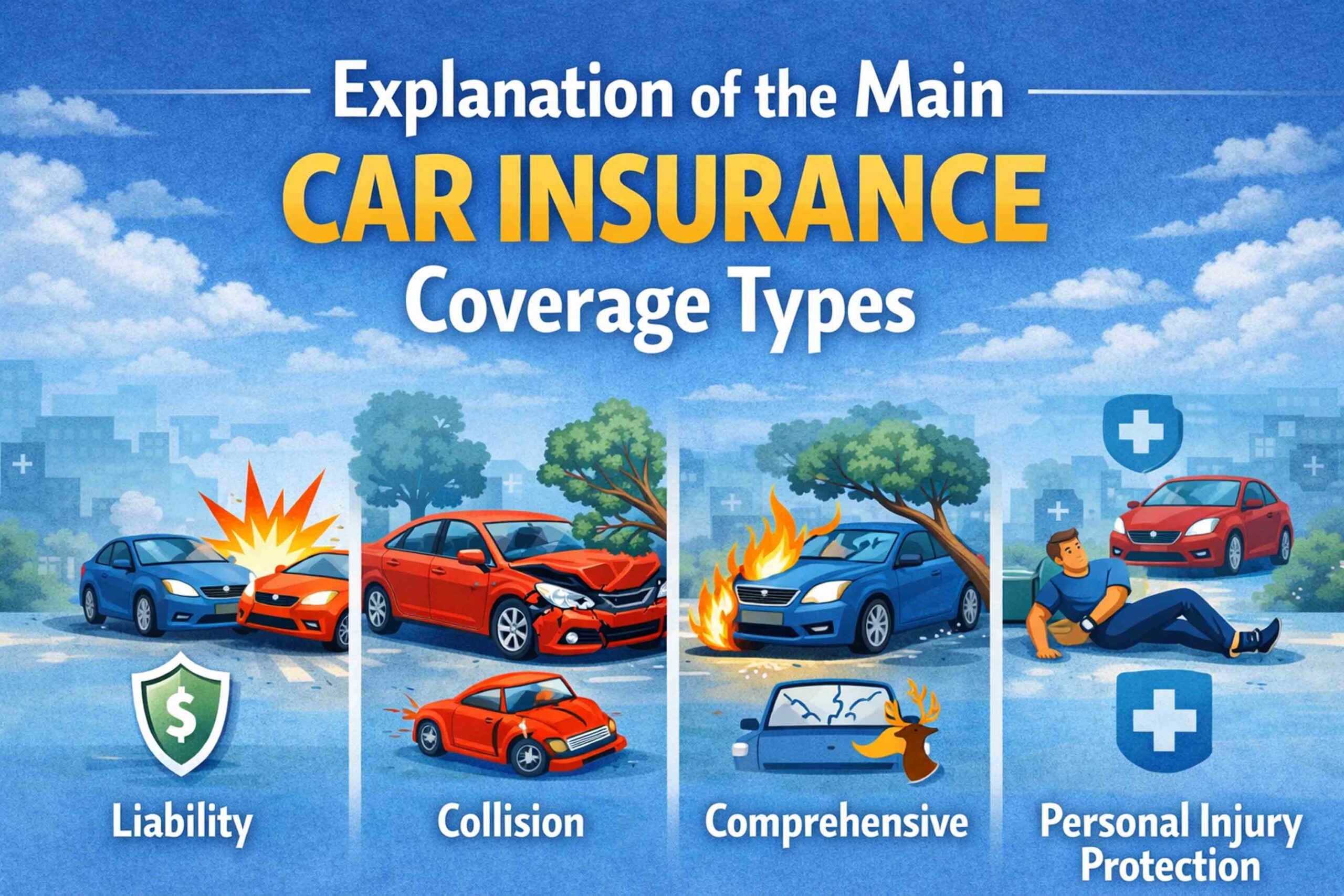
Liability coverage is the foundation of almost every car insurance policy. In fact, almost every state in the U.S. requires drivers to carry this type of protection. When you cause an accident, liability coverage pays for the other person’s injuries and property damage—not yours.
It’s divided into two parts:
- Bodily Injury Liability, which helps cover medical bills, lost wages, or legal fees for the injured party.
- Property Damage Liability, which pays for repairs to another person’s vehicle or property.
While states set minimum limits, we always recommend going higher. Minimums often aren’t enough to cover real-world accident costs, and you all could end up paying out of pocket. A higher limit gives you better financial breathing room and peace of mind.
Collision Coverage
Collision coverage helps pay for repairs to your car if you hit another vehicle, crash into an object, or even if you flip your car. This coverage applies regardless of who’s at fault.
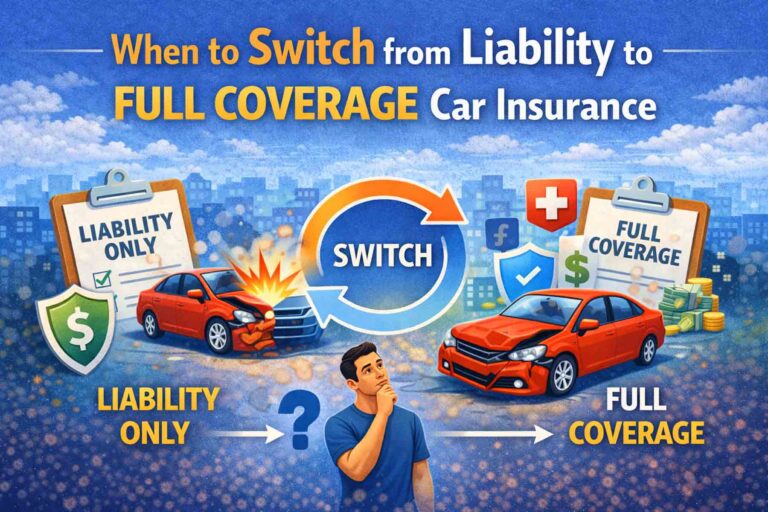
If you’re driving a newer car or something you still owe money on, collision coverage is often essential. Without it, one bad accident could leave you all with a huge repair bill or a totaled vehicle that you still have to pay off.
On the other hand, if your car is older and worth only a few thousand dollars, you might decide this coverage is optional—especially if the annual premium and deductible cost more than the actual value of the car.
Comprehensive Coverage
Comprehensive coverage protects your car from non-collision incidents. Think of everything that can go wrong besides a crash: theft, fire, flood, hail, falling tree branches, vandalism, or even hitting an animal.
We often see drivers underestimate how valuable this coverage is, especially in areas with extreme weather or high theft rates. When something unexpected happens—like a storm breaking your windshield—comprehensive coverage becomes a financial lifesaver.
Just like collision, comprehensive is often required if your car is financed or leased. If you all own your car outright, you can decide whether the cost makes sense based on its value and the risks around you.
Additional Coverages
Beyond the basics, there are several add-on protections that can make your policy even more useful. These extras may not be required, but they often fill important coverage gaps.
UM/UIM (Uninsured & Underinsured Motorist Coverage)
Not every driver on the road carries enough insurance—and some don’t have any at all. UM/UIM coverage protects you all financially if you’re hit by a driver who has insufficient coverage or none at all.
This coverage can help pay for:
- Medical bills
- Lost income
- Pain and suffering
- In some states, even property damage
Because the number of uninsured drivers is surprisingly high in some regions, we always consider UM/UIM a smart investment.
Medical Payments (MedPay) & Personal Injury Protection (PIP)
Both MedPay and PIP help pay for medical expenses after an accident, regardless of who was at fault. The difference is that PIP offers broader protection—it can also cover lost wages, rehabilitation, and essential household services.
PIP is required in no-fault states, while MedPay is optional and more limited. If your health insurance has high deductibles or limited coverage, adding MedPay or PIP can save you all from sudden medical bills.
Rental Reimbursement & Roadside Assistance
These are convenience coverages, but they can make life much easier during tough situations.
- Rental reimbursement helps pay for a rental car while your vehicle is being repaired after a covered accident.
- Roadside assistance gives you access to towing, battery jump-starts, flat-tire help, and other emergency services.
If you all rely heavily on your car, these add-ons can be surprisingly valuable—and usually cost only a small amount per month.
Which Coverage Do You Really Need?
Not everyone needs the same car insurance setup. What makes sense for you all depends on your budget, your car’s value, and how much financial risk you’re comfortable taking.
Coverage Based on Budget
If you’re on a tighter budget, you can prioritize mandatory protections like liability, then decide whether collision or comprehensive are still worth the cost. A higher deductible can help lower premiums, but keep in mind that it means you’ll pay more upfront if something happens.
For many budget-focused drivers, the best balance is:
- Solid liability limits
- UM/UIM for protection against uninsured drivers
- Comprehensive coverage if you live in an area with high theft or severe weather
- Collision coverage only if the car is still valuable
Coverage Based on Vehicle Age
Your car’s age and condition matter a lot in insurance decisions. For newer cars—or cars that you’re financing—carrying full coverage (liability, collision, and comprehensive) is usually the smart move.
For older cars, especially those with lower market value, you all might consider dropping collision or comprehensive, since the insurance payout might not exceed the deductible or the cost of the coverage itself.
Conclusion
Choosing the right car insurance doesn’t have to be confusing. Once you all understand the main coverage types and how each one protects you, it becomes much easier to tailor a policy around your needs and your budget. We always encourage drivers to strike a balance between affordability and protection—avoiding unnecessary coverages, but not cutting so much that you’re exposed to financial risk.
Whether you drive a brand-new car or something older, the right mix of coverage gives you confidence on the road and financial security when the unexpected happens.
Frequently Asked Questions (FAQ)
Is full coverage mandatory?
No, full coverage isn’t required by law, but lenders often require it for financed vehicles.
What’s the difference between liability and full coverage?
Liability covers others’ damages; full coverage includes collision and comprehensive to protect your own car.
Do I need collision coverage for an old car?
Not always. If the car isn’t worth much, collision may not be worth the cost.
Is comprehensive coverage the same as collision?
No. Comprehensive covers non-crash events; collision covers crashes.
What does UM/UIM cover?
Injuries and sometimes property damage caused by uninsured or underinsured drivers.
Is PIP better than MedPay?
PIP offers broader benefits, but each state has different requirements.
Does car insurance cover theft?
Yes—but only if you carry comprehensive coverage.
Can I get roadside assistance without insurance?
Yes, through memberships or automakers, but adding it to insurance is usually cheaper.
Should I increase my liability limits?
We recommend higher limits for better protection, as state minimums may not be enough.
Does insurance cover rental cars?
Only if you add rental reimbursement coverage.
Meta description (disesuaikan):
Learn the main types of car insurance coverage, including liability, collision, comprehensive, and additional protections. We break down what each option covers and help you all decide which coverage fits your budget, vehicle, and everyday driving needs.