Carlevel.biz.id – At some point, liability-only insurance starts to feel a little uncomfortable. Maybe you all just upgraded to a newer car, maybe your daily driving increased, or maybe the idea of paying for major repairs out of pocket suddenly doesn’t sit well anymore. We’ve been there too. That uneasy feeling is usually what pushes drivers to ask a very common question: Is it time to move from liability to full coverage car insurance?
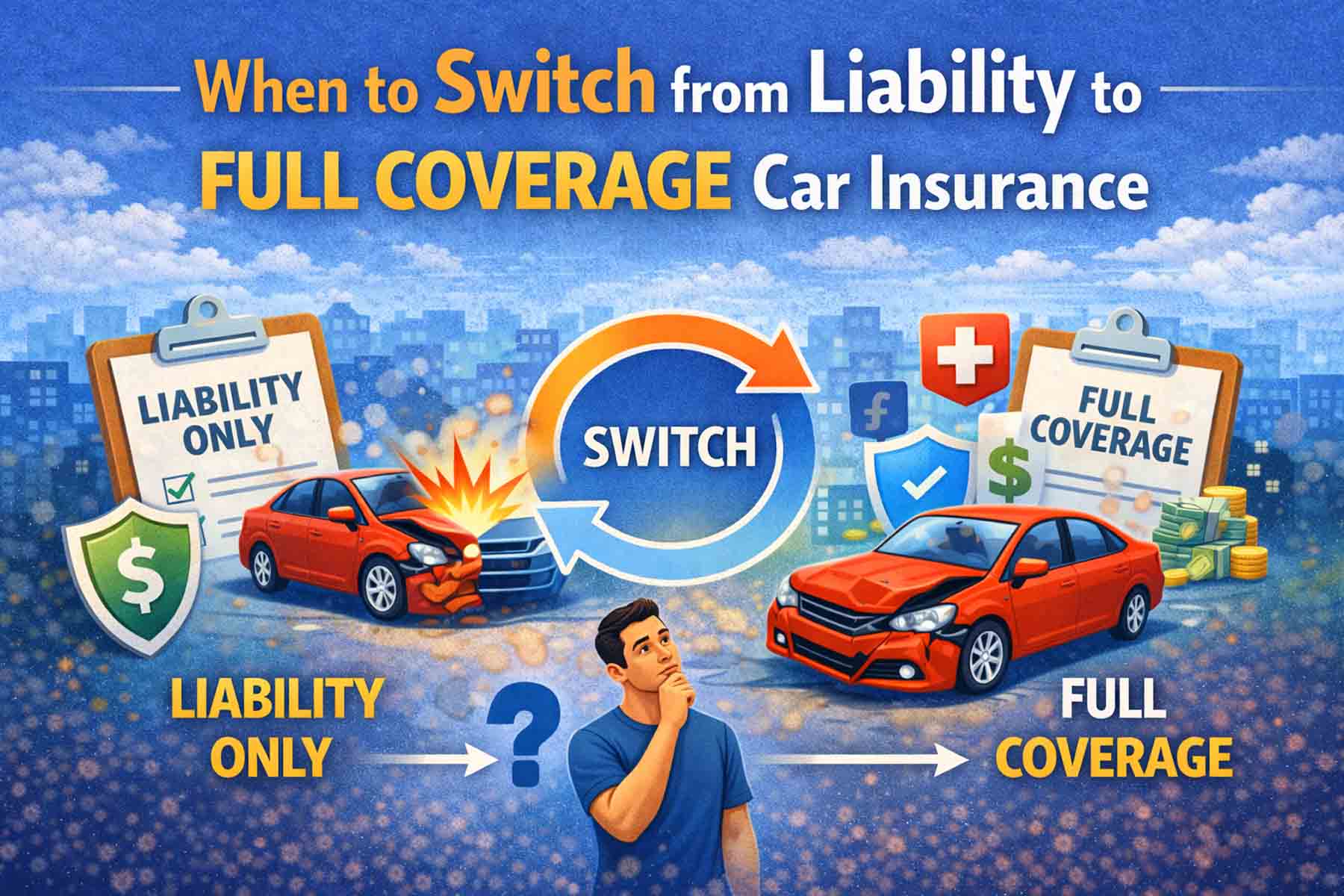
The problem is that “full coverage” sounds straightforward, but it’s one of the most misunderstood terms in auto insurance. Many people assume it means everything is covered, no matter what happens. In reality, it’s more nuanced than that. Understanding what full coverage car insurance includes—and when it actually makes sense—can save you all from either overpaying or underinsuring your vehicle.
What Full Coverage Includes
Before talking about when to switch, we need to be clear about what full coverage actually is. Technically speaking, there’s no policy literally called “full coverage.” It’s a common phrase used to describe a combination of coverages that protect both other people and your own car.
Collision
Collision coverage is the part of full coverage that pays for damage to your own vehicle after an accident, regardless of who caused it. If you all rear-end another car, misjudge a turn, or slide on a wet road and hit a guardrail, collision coverage steps in.
Auto Insurance Explained: Everything You Need to Know Before Choosing a Policy
This matters more today than it did years ago. Even minor accidents can be surprisingly expensive. Modern vehicles have sensors, cameras, and advanced safety systems built into bumpers and windshields. Without collision coverage, those repair costs come straight out of your pocket. Collision always comes with a deductible, which you choose, and that deductible directly affects how much you pay each month.
Comprehensive
Comprehensive coverage handles damage that doesn’t involve a collision. This includes theft, vandalism, fire, floods, hail, falling objects, and animal-related incidents. In other words, it covers the unexpected things you all can’t control.
Many drivers underestimate how useful comprehensive coverage is until they need it. A single storm can total a vehicle. A stolen car doesn’t give you time to “prepare financially.” Comprehensive coverage quietly protects you all from events that would otherwise cause serious financial stress. Along with collision, this coverage forms the backbone of what people call full coverage car insurance.
When Full Coverage Makes Sense
Full coverage isn’t automatically the right choice for everyone, but there are clear situations where switching from liability makes a lot of sense.
Vehicle Value Considerations
One of the biggest factors is your car’s value. If your vehicle would be expensive to replace or repair, full coverage is usually worth considering. We often suggest asking a simple but honest question: If this car were totaled tomorrow, could you all replace it without major financial strain?
If the answer is no, liability-only coverage may leave you exposed. Newer vehicles, cars with strong resale value, and vehicles that would cost several thousand dollars to replace are typically good candidates for full coverage car insurance. As long as your car represents a meaningful asset, protecting it often feels reasonable.
Loan or Lease Requirements
If your car is financed or leased, full coverage isn’t optional. Lenders and leasing companies almost always require collision and comprehensive coverage to protect their financial interest in the vehicle.
Dropping full coverage while a loan is active can violate your contract. In some cases, lenders will force-place insurance on your car, which is usually far more expensive and offers limited protection. Until the loan is paid off or the lease ends, full coverage car insurance is part of the agreement—whether you like it or not.
When to Drop Full Coverage
Just as important as knowing when to add full coverage is knowing when it no longer makes sense. Keeping it forever isn’t always the smartest financial move.
Mileage, Vehicle Age
As vehicles age and accumulate mileage, their market value drops. Meanwhile, insurance premiums don’t always decrease at the same pace. This creates a point where you all may be paying a lot to insure a car that simply isn’t worth much anymore.
Older, high-mileage vehicles are also more likely to need mechanical repairs, which insurance doesn’t cover. If your car is primarily used for short trips, parked safely, and doesn’t carry much resale value, liability-only coverage may be a reasonable transition.
Cost-to-Value Ratio
This is where the math becomes important. Look at how much you’re paying each year for collision and comprehensive coverage, then compare that number to your car’s current value.
If your annual premium plus deductible comes close to—or exceeds—the value of the car, full coverage may no longer be cost-effective. Many drivers reach a point where setting aside savings for future repairs or replacement makes more sense than continuing to pay for coverage they’re unlikely to fully benefit from. Dropping full coverage isn’t careless; it’s an adjustment based on changing value.
Conclusion
Switching from liability to full coverage car insurance isn’t about fear—it’s about timing and awareness. There’s a phase where full coverage offers real protection and peace of mind, especially for newer or financed vehicles. And there’s a moment when holding onto it quietly stops being practical.
By understanding what full coverage car insurance includes, when it’s required, and when it’s okay to let it go, you all can make confident decisions that fit your financial reality. Insurance works best when it evolves with your car—not when it stays on autopilot.
Frequently Asked Questions (FAQ)
Is full coverage car insurance required by law?
No. Only liability coverage is legally required in most states.
How do I know when to drop full coverage?
When premiums and deductibles outweigh the car’s value.
Is comprehensive coverage really necessary?
If theft or weather damage is a concern, yes.
Should I keep full coverage after paying off my car?
It depends on your car’s value and financial comfort.
Does full coverage cover hit-and-run damage?
Yes, usually through collision or comprehensive.
What’s the biggest drawback of full coverage?
Higher monthly premiums.
Does full coverage include rental reimbursement?
Only if you add it as an extra option.
Is full coverage worth it for older cars?
Often not, especially if the car’s value is low.
Can I drop full coverage anytime?
Yes, unless your loan or lease agreement requires it.
Does full coverage mean everything is covered?
No. Deductibles apply, and wear-and-tear isn’t covered.