Carlevel.biz.id – The first time I heard someone say their car was a “total loss,” I assumed it meant the vehicle was completely destroyed. Twisted metal, smoke, the kind of damage you see in movies. In reality, that’s rarely how it plays out. Many cars labeled as total losses still look repairable, sometimes even drivable. That disconnect is usually where confusion—and frustration—starts for policyholders. A total loss car insurance claim isn’t about how bad the damage looks. It’s about numbers, thresholds, and insurance logic that often feels cold when you’re emotionally attached to your car. Understanding what a total loss actually means helps take some of the shock out of the process. It won’t make the situation better, but it will make it clearer.
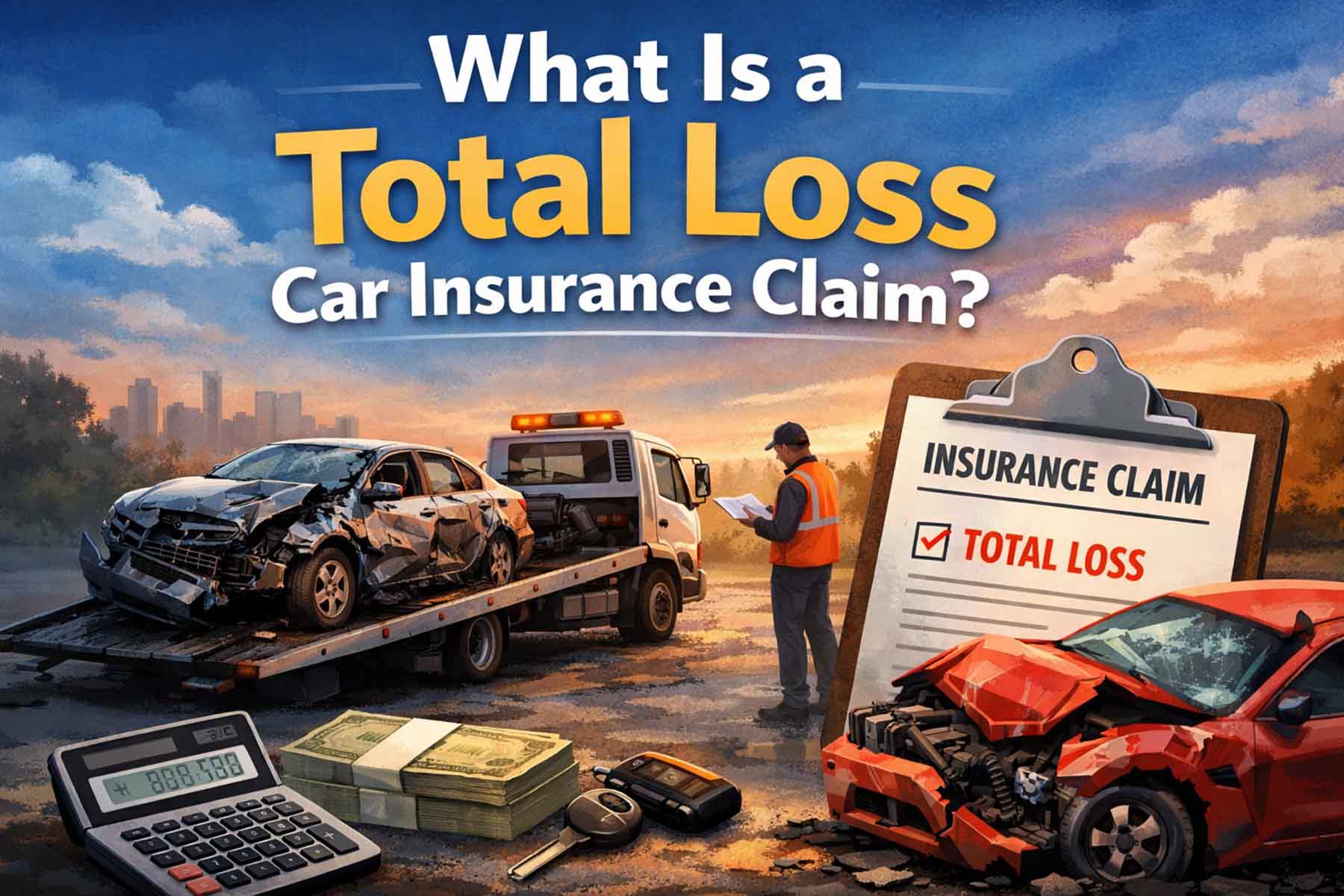
Understanding Total Loss in Car Insurance
In car insurance, a total loss occurs when repairing a vehicle no longer makes financial sense under the insurer’s guidelines. This doesn’t mean the car is beyond repair. It means the cost to fix it is close to, or exceeds, the vehicle’s value before the accident. At that point, insurers shift from repair mode to settlement mode.
What catches many drivers off guard is that total loss rules vary by insurer and by location. Some use a fixed percentage of the car’s value, while others rely on broader cost comparisons. Either way, once a vehicle crosses that threshold, the claim becomes a total loss car insurance claim, and the process changes significantly.
What Is a Total Loss Car Insurance Claim?
A total loss car insurance claim happens when your insurer determines that repairing your vehicle isn’t economically reasonable. Instead of paying for repairs, the insurer offers a settlement based on the car’s pre-accident value. This value is typically calculated using market data, vehicle condition, mileage, and comparable listings. Once accepted, the insurer usually takes ownership of the vehicle, and the claim is closed as a total loss.
Why Cars Are Declared Total Loss Even When They Look Repairable
One of the most frustrating parts of a total loss claim is seeing a car declared “written off” when the damage doesn’t appear severe. The reason is simple: modern vehicles are expensive to repair. Sensors, electronics, and structural components add up quickly. Even moderate damage can push repair costs past the insurer’s total loss threshold, triggering a settlement instead of repairs.
The Role of Vehicle Value in Total Loss Decisions
Vehicle value is central to every total loss decision. Insurers don’t compare repair costs to what you paid for the car, but to what it was worth just before the accident. Depreciation, mileage, and overall condition all factor in. A newer car with high value can absorb higher repair costs, while an older vehicle reaches total loss territory much faster.
How Insurance Companies Calculate Total Loss Settlements
Once a car is declared a total loss, the focus shifts to valuation. Insurers calculate settlement amounts using market-based tools and recent sales data. They look for comparable vehicles in similar condition and adjust for differences like mileage or optional features. This process is meant to reflect fair market value, not replacement cost.
Understanding this step is critical. Many disputes in total loss car insurance claims come from valuation disagreements, not from the total loss decision itself.
Actual Cash Value and Depreciation
Most total loss settlements are based on actual cash value (ACV). This means depreciation is applied. Your settlement reflects what the car was worth at the time of loss, not what it would cost to buy a similar replacement today. This gap often feels unfair, but it’s standard practice in car insurance policies.
Deductibles and How They Affect the Final Payout
Even in a total loss situation, deductibles still apply. The deductible amount is subtracted from the settlement payout. This detail surprises many policyholders, especially when the claim already feels like a major financial hit.
Salvage Value and Vehicle Ownership
After a total loss settlement, insurers usually take possession of the vehicle and sell it as salvage. In some cases, policyholders can retain the car, but the salvage value is deducted from the settlement. This option makes sense only if you understand the legal and repair implications.
Practical Tips for Handling a Total Loss Car Insurance Claim
A total loss claim can feel overwhelming, especially if it’s your first time dealing with one. The key is to slow down and stay informed. Insurers handle these claims routinely, but for you, it’s personal. Taking a structured approach helps balance that difference. Preparation and documentation matter just as much in total loss claims as they do in repairable accidents. The more informed you are, the fewer surprises you’ll face.
Review the Vehicle Valuation Carefully
Always review the valuation report provided by the insurer. Check comparable listings, mileage adjustments, and condition ratings. If something looks off, question it. Small errors can significantly affect the settlement amount in a total loss car insurance claim.
Gather Your Own Market Evidence
You’re allowed to provide your own evidence. Local listings, dealer quotes, and recent sales of similar vehicles can support a higher valuation. This isn’t about arguing—it’s about ensuring accuracy.
Know When to Negotiate or Escalate
If discussions stall, ask about the appeal process. Some insurers allow independent appraisals or secondary reviews. A calm, evidence-based approach is far more effective than emotional pressure.
Conclusion
A total loss in car insurance doesn’t mean your vehicle was completely destroyed. It means the numbers no longer justify repairs under the policy. Once you understand that distinction, the process becomes easier to navigate, even if it’s still disappointing.
Total loss car insurance claims are heavily driven by valuation, depreciation, and policy rules. Knowing how insurers make these decisions puts you in a stronger position to review settlements, ask informed questions, and protect your financial interests. You may not control the outcome, but you can control how prepared you are when it happens.
Frequently Asked Questions (FAQ)
1. What does total loss mean in car insurance?
It means repair costs exceed the vehicle’s pre-accident value threshold.
2. Can I dispute a total loss valuation?
Yes, you can challenge the valuation with market evidence.
3. Is a total loss the same as a write-off?
Yes, both terms are often used interchangeably.
4. Do I still pay a deductible on a total loss claim?
Yes, deductibles usually apply to total loss settlements.
5. Can I keep my car after a total loss?
Sometimes, but salvage value is deducted from the payout.
6. How long does a total loss claim take?
It depends on valuation and documentation, but it often takes longer than repair claims.
7. Does total loss affect future insurance premiums?
It can, depending on fault and claim history.