Car Insurance Claim Denied – There’s a specific kind of frustration that comes with seeing the words “your claim has been denied.” Not the loud, dramatic kind. The quiet one. The kind where you sit there for a moment, reread the email, and wonder if you misunderstood something. We’ve been there. And we’ve talked to plenty of drivers who felt exactly the same way.
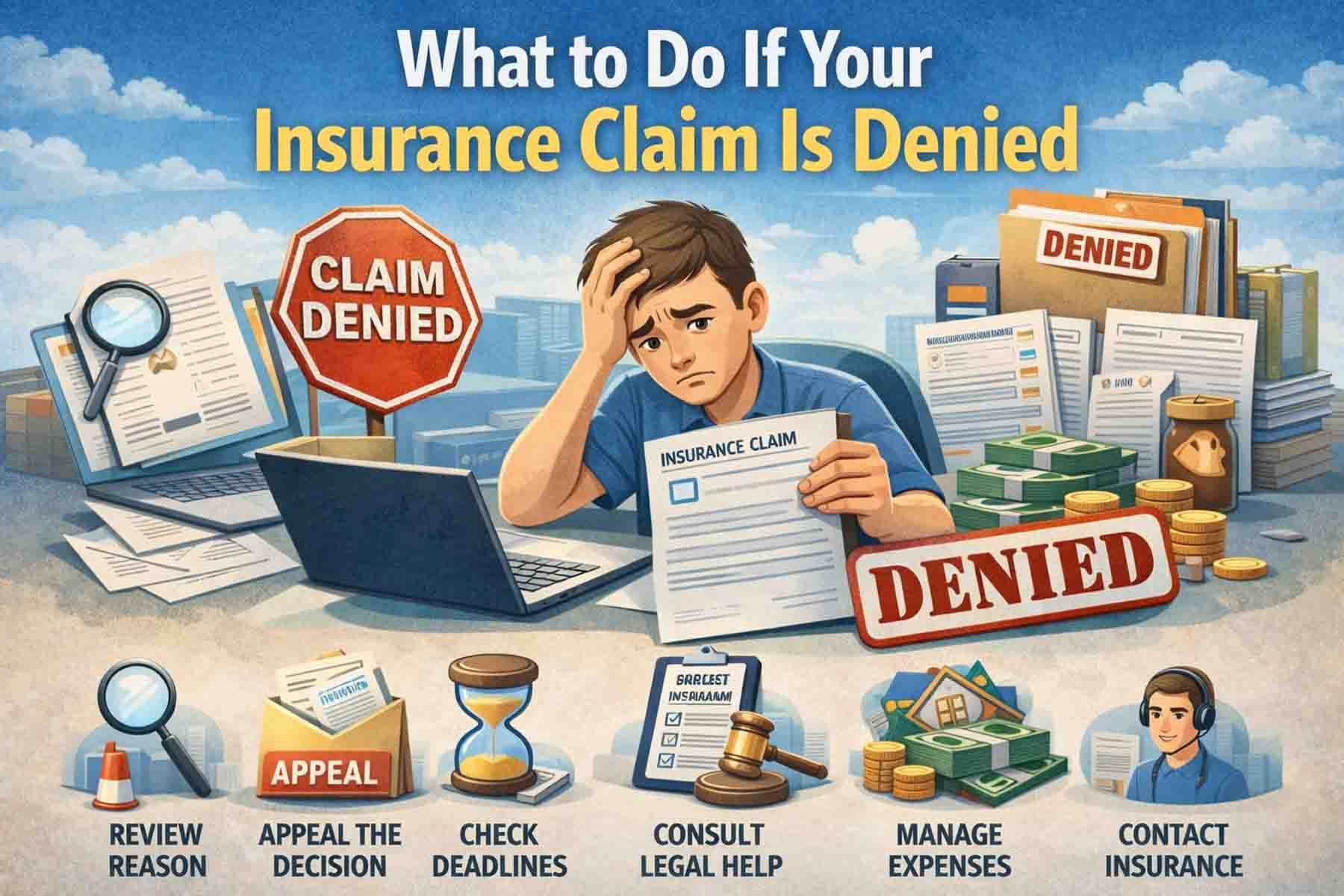
A car insurance claim denied situation often feels unfair because, in your mind, you did everything right. You paid your premiums. You reported the incident. You followed instructions. So when the answer comes back as “no,” it feels less like a business decision and more like a personal rejection.
The reality is more complicated. Claim denials usually come down to policy language, timing, and documentation—not morality or intent. Once you understand why denials happen and what options you actually have, the situation becomes less overwhelming and, in many cases, more manageable.
Why Car Insurance Claims Get Denied
One of the biggest misunderstandings about a car insurance claim denied situation is the assumption that denial automatically means the insurer is acting unfairly. In reality, most claim denials happen because insurance policies are built around very specific rules. These rules define what is covered, what is limited, and what is completely excluded. Many drivers only discover these boundaries when something goes wrong, not when they first buy the policy. If the damage involves an excluded activity, exceeds coverage limits, or conflicts with how the vehicle is insured, the claim can be denied even if the accident itself was legitimate. This is why denial often feels shocking—it’s not about whether the incident happened, but whether it fits within the policy’s defined conditions.
Another major reason claims get denied has less to do with coverage and more to do with the claim process itself. Incomplete information, delayed reporting, inconsistent statements, or missing documentation can raise red flags during the review stage. From the insurer’s point of view, uncertainty equals risk. When adjusters cannot clearly verify what happened, when it happened, and how the damage occurred, denial becomes the safest administrative decision. This doesn’t always mean fraud is suspected; more often, it means the insurer lacks enough verified data to justify payment. Understanding this helps you all see why accuracy, consistency, and documentation matter just as much as having the right coverage in the first place.
Policy Exclusions vs Claim Errors
Policy exclusions are the most misunderstood part of insurance. They’re not fine print added to trick you all. They’re boundaries. Every policy has situations it simply does not cover. Common exclusions include intentional damage, using a personal vehicle for commercial work without proper coverage, racing, or driving under the influence.
Then there are claim errors, which are far more common than people realize. These aren’t bad-faith mistakes. They’re human ones. Reporting the claim late. Giving inconsistent details. Forgetting to submit photos. Missing a document request. From the insurer’s perspective, missing or conflicting information creates uncertainty—and uncertainty often results in denial.
The most important step after a claim is rejected is understanding which category your denial falls into. Exclusions are harder to fight. Errors are often fixable.
Your Options After a Claim Denial
A denial feels final, but in many cases, it isn’t. You usually have more leverage than you think—if you use it correctly.
Appealing the Decision
Appealing a denied claim is not about arguing emotionally. It’s about clarification. When you appeal, you’re asking the insurer to take another look based on additional context or missing information.
This is where calm documentation matters. Repair estimates. Clear photos. Written timelines. Police reports. Even a concise explanation correcting a misunderstanding can shift the outcome. We’ve seen appeals succeed simply because the initial claim submission was incomplete or rushed.
Appeals work best when they focus on facts, not frustration. Insurance processes respond to clarity, not pressure.
Escalating the Claim Legally
If appeals fail and you believe the insurer misapplied policy language, escalation becomes an option. This doesn’t automatically mean hiring a lawyer. Sometimes it starts with filing a complaint with your state’s insurance regulator.
Legal escalation should be thoughtful, not reactive. It takes time, effort, and patience. But in situations where insurers clearly deviate from policy terms, escalation forces a deeper review. Even knowing this option exists gives you all a sense of control when conversations stall.
Preventing Future Claim Rejections
The best response to a denied claim is learning how to reduce the chances of facing another one.
It starts with understanding your policy before you need it. Not reading every word—but knowing exclusions, reporting deadlines, and coverage limits. Documentation habits also matter. Photos after accidents. Maintenance records. Communication logs. These details feel unnecessary until they suddenly aren’t.
Prompt reporting helps, too. Even if damage seems minor, early notification creates a clear timeline. And when insurers ask questions, consistency matters more than speed. Take a moment to answer accurately instead of quickly. Insurance systems reward precision, even when they don’t explain why.
Conclusion
A car insurance claim denied moment is frustrating, disappointing, and sometimes financially stressful. But it’s rarely the end of the story. Denials usually reflect policy boundaries or process breakdowns—not automatic wrongdoing.
When you understand why claims get rejected and what options exist after a denial, you move from reacting emotionally to responding strategically. Insurance works best when you treat it as a structured system, not a guarantee without conditions. That mindset doesn’t make denials painless—but it does make them navigable.
Frequently Asked Questions (FAQ)
Why do car insurance claims get denied?
Most denials stem from exclusions or missing information.
Is a denied claim always final?
No, many claims can be appealed.
How long do appeals usually take?
Often several weeks, depending on complexity.
Do I need a lawyer for a denied claim?
Not always—appeals often work without legal help.
Can late reporting cause denial?
Yes, timing matters more than many drivers realize.
Does a denied claim affect future premiums?
Not directly, but claim history still exists.
Are exclusions clearly stated in policies?
Yes, though the language can be technical.
Can insurers deny claims for mistakes?
Yes, errors can trigger rejection.
What documents help prevent denial?
Photos, reports, estimates, and clear communication.
How can I avoid claim issues long-term?
Understand your policy and document everything.